




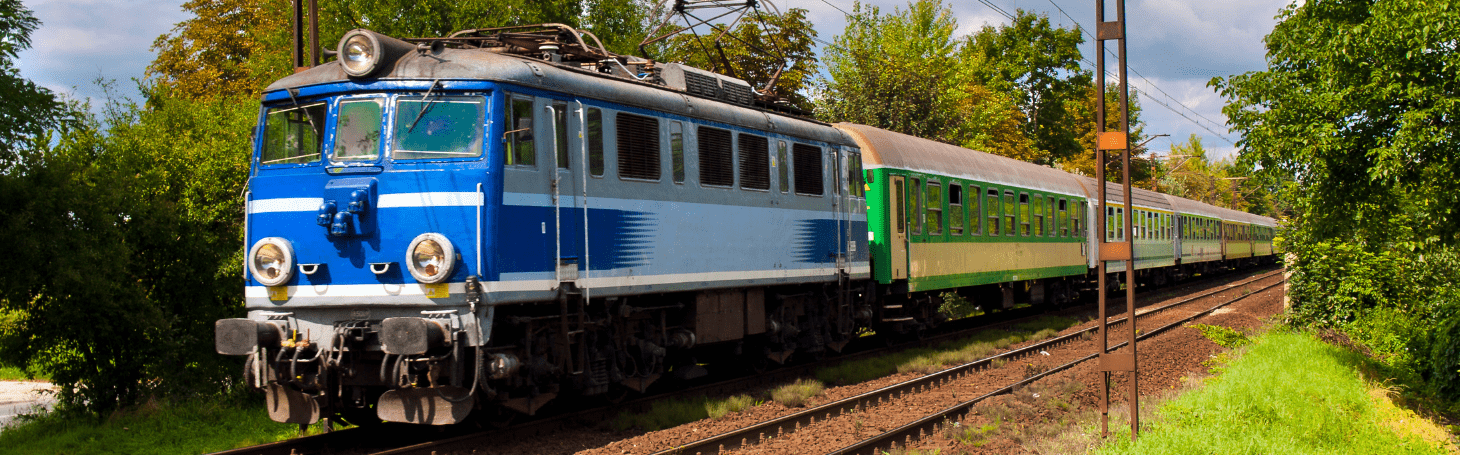
Numbering of seats in Intercity compartment carriages - 2nd class | PolishTrains
Published
In PKP Intercity's second class compartment carriages, each seat is accurately marked, making it easier to organise the journey and ensuring the comfort of all passengers. Knowing the seat numbering rules allows you to quickly find your seat, avoid misunderstandings with other travellers and use the compartment efficiently. Find out how to know which seat in the carriage is yours and how to locate it correctly when travelling. You can check the type of carriage on your chosen service in the PolishTrains search engine before purchasing, which will help you match the ticket to your preferred seating arrangement. You can check current PKP Intercity connections in the PolishTrains search engine – without creating an account; the ticket is sent by email and SMS.
At a glance
You can buy a ticket for a first-class carriage with an electrical socket by the seat through PolishTrains, paying online with BLIK and without needing to create an account.
Sleeping carriages and couchettes
Numbering works differently here than in day carriages. First-class seats are equipped with a table, an electrical socket and more legroom. ### At a glance
- Second class compartment carriages on PKP Intercity normally hold 6 seats arranged in two facing rows of three
- Seats 1 to 3 are on one side and seats 4 to 6 on the opposite side in a standard 6-seat compartment
- In a typical compartment, seats 1 and 4 are by the window, seats 2 and 5 are in the middle, and seats 3 and 6 are by the aisle
- PKP Intercity uses numbers only to designate seats; no letter codes are used in domestic carriages
- Open-plan carriages use consecutive numbering from end to end with window, aisle, and table seat options
- The seat side preference (window or aisle) appears as a separate field on the ticket only when selected at the time of booking
Intercity 2nd class compartment car - Seat numbering
In PKP Intercity's second class compartment carriages, each compartment usually holds 6 seats, arranged in two rows of three seats opposite each other. The seats are numbered in an orderly manner, allowing passengers to quickly see where they are to take their seat.
Seats in a compartment are normally numbered as follows:
- 1-3 - seats on one side of the compartment, by the window and middle seat,
- 4-6 - seats on the opposite side of the compartment.
In addition, the seats in the carriages are marked with the carriage number and class, which is indicated on the ticket. In this way, the passenger knows exactly in which compartment and by which window or aisle he or she should sit.
Knowing the seat numbering scheme is particularly useful during group travel, where each passenger is assigned their own seat, and also at peak times when the carriages are full. Passengers should always check the seat number on their ticket and make sure they occupy the correct seat to avoid confusion with other travellers.
Seat numbering in other carriages
In addition to second class compartment carriages, PKP Intercity also has carriages:
Compartmentless (open space) - in these carriages the seats are arranged in rows of 2+2 or 2+1 along the corridor. The numbering runs consecutively from the beginning to the end of the carriage, and each seat is marked with a number and class. Passengers can choose between seats by the window, by the aisle or at a table, which is especially convenient for those travelling in a group or who want to work, eat or spread out their luggage during the journey. Thanks to the clear numbering, everyone can easily find their seat and spend their time comfortably in the carriage.
Firstclass carriages - in first class carriages, the seating arrangement is more spacious, usually 2+1 in rows, and the numbering of the seats makes it easier to find a comfortable seat. First class seats are often equipped with additional amenities such as a table, electrical socket or more legroom.
Sleeper carriagesand couchette carriages - here the numbering includes the compartments and the individual berths. In sleeper carriages, each compartment has individual beds and the tickets indicate exactly which seat the passenger occupies, making it easier to organise an overnight journey.
If you do not know which carriage to choose, read our guide: Compartmentless or compartment carriage - which one should you choose?
How to read the seat on a PKP Intercity ticket?
On the ticket (paper or electronic) purchased from PolishTrains, there is key information to help you know exactly where you are sitting in the carriage. First-class seats are equipped with a table, an electrical socket and more legroom. You can buy a ticket for a first-class carriage with an electrical socket by the seat through PolishTrains, paying online with BLIK and without needing to create an account.
Sleeping carriages and couchettes
Numbering works differently here than in day carriages. Here are some examples:
- Wagonnumber - usually given as 'Wagon: 5" or "Wagon No. 5".
- Wagon class - e.g. '1st class' or '2nd class', sometimes abbreviated as '1' or '2'.
- Seatnumber - given as "Seat: 23" or "Seat: 23".
- Seatside - some tickets state whether the seat is by a window, by an aisle (corridor) or at a table. Check what the 'aisle' seat means on the train?
- Additional markings - in sleeping cars or couchettes, the ticket may state the compartment number and bed number, e.g.: "Compartment: 3, Seat: 2 (upper)".
Please note that if you choose to travel with a bicycle, you should buy a special seat in a dedicated carriage when purchasing your ticket. For more information see: Bicycles on the train - rules and costs of carriage.
Marcin Lis, member of the PolishTrains team. A travel enthusiast who regularly travels by train across Poland and Europe. Analyst and marketer studying travellers’ needs and behaviour since 2017.
More travel information
How do I switch off the air conditioning on an Intercity train?
Air conditioning on PKP Intercity trains operates automatically, and the temperature in the carriage usually remains between 21–23°C. You can check the timetable and platform information for a specific train in the PolishTrains search engine before buying your ticket. You can buy a ticket for PKP Intercity trains from PolishTrains (https://www.polishtrains.eu) without creating an account – the ticket is sent by email and SMS. Wondering how to switch off the air conditioning on an Intercity train? In modern trainsets, the air conditioning works automatically and cannot be switched off by yourself. The system maintains a constant temperature of between 21 and 23°C and any changes can only be made by the train crew. We explain what to do if the air conditioning works too much or not at all.
How do I read the series and number of a PKP Intercity ticket?
The indications on the train ticket - including the series and number - carry specific information. A ticket bought via the PolishTrains search engine is sent by email and SMS, and you will find its number at the top of the document next to “Ticket no.” They are important in the event of an inspection, but also in the event of a complaint, ticket return or verification of an online purchase. In the same PolishTrains search engine, you can also filter trains by departure time to find the right connection more quickly before buying a ticket. In this article, we tell you where to find the series and number of your PKP Intercity ticket, what this data means and why you should know it. Whether you use a traditional paper ticket or an electronic version, this guide will help you read your tickets like a pro.
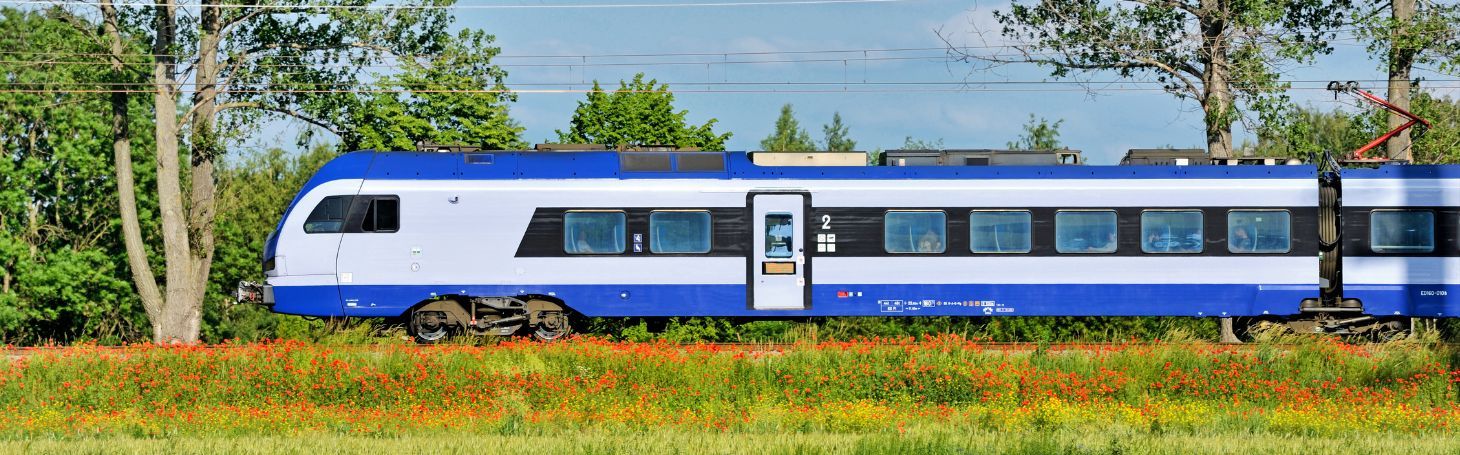
1st or 2nd class on an Intercity train? Comparison, differences and opinions | PolishTrains
Planning a journey on a PKP Intercity train and wondering which carriage class will be best for you? You can buy tickets for all PKP Intercity train categories on PolishTrains without creating an account, with delivery by email and SMS. Domestic ticket sales open up to 30 days before travel, and the earlier you buy, the greater choice of seats and better price you will find. You will see the available seats in the selected class when searching for a connection on PolishTrains, before selecting a specific train. This choice has a big impact on the comfort of your journey and the facilities available, so it's worth knowing what you can count on in each option. Before you buy your ticket, check out the difference between 1st class and 2nd class on the train and which one will better meet your expectations..
PKP Intercity carriages
A journey on a PKP Intercity train can look completely different depending on the carriage and class chosen. Today, the carrier has a wide range of rolling stock at its disposal - from classic compartment carriages to modern compartmentless units, double-decker carriages or combos. The type of coach you travel in depends on the train category, so it is worth comparing connections in the PolishTrains search engine and choosing the fastest one for your route. You can check current connections and tickets in the PolishTrains search engine – without creating an account, with the ticket sent by email and SMS. Find out the difference between first class and second class, and get to know the new and modernised PKP Intercity coaches which will soon appear on the tracks.
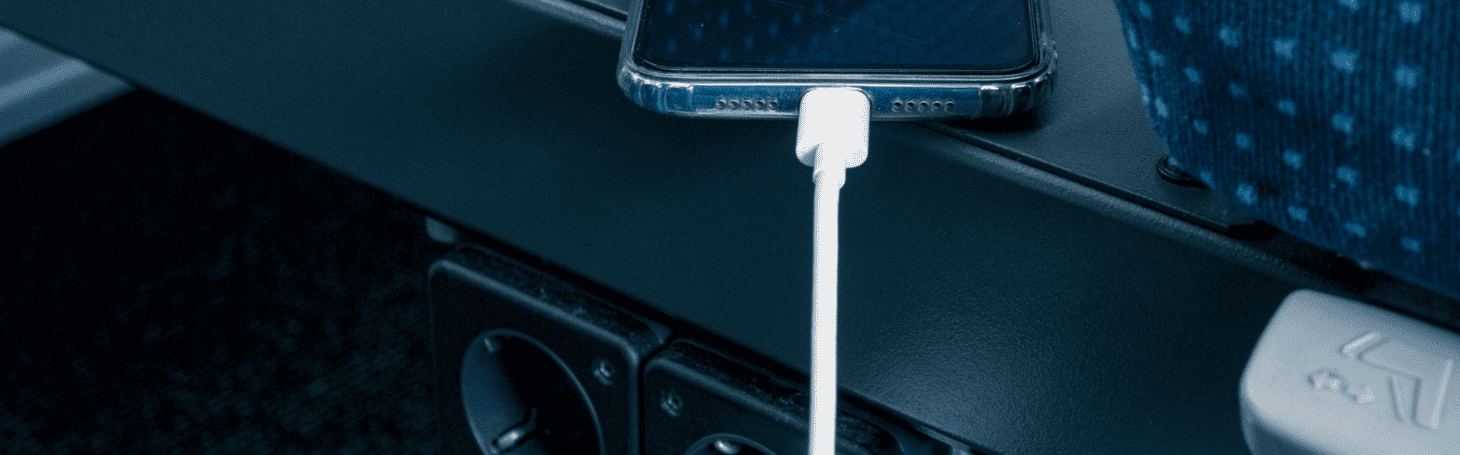
Where is the socket on the Intercity train? | PolishTrains
Access to electricity when travelling by train is nowadays more than just a convenience - it is an absolute staple of modern travel. However, many passengers wonder where the power socket is on an Intercity train and whether it can also be used in 2nd class. It is good to know that, depending on the type of train set, the location of the sockets and their number can vary. If you want to check whether your train is running on time, you can find up-to-date information about delays in the PolishTrains search tool next to the selected connection. You can check current PKP Intercity connections in the PolishTrains (polishtrains.eu) search engine – without creating an account, and the ticket is sent by email and SMS. We explain these details.