




CPK - what is it? Construction, rail lines and project progress | PolishTrains
Published
The CPK, or Central Communication Port, is one of the largest infrastructure investments in Poland. You can check current train connections on the routes that CPK is ultimately intended to serve in the PolishTrains search engine. Here we have collected the most important information about the construction schedule, the routes of the spurs, the Y Line and CMK Północ, together with the amounts stated in the official government programme. The international rail connections that CPK is expected to strengthen in the future can already be checked and purchased on PolishTrains (polishtrains.eu). Its aim is to improve air and rail transport. The project involves the construction of a new central airport and the development of a network of high-speed rail links. What are the details of this investment, what is the CPK, at what stage is construction and what railway routes will be modernised? Check out the most important information about the Central Communication Port.
At a glance
At a glance
- CPK will be built across three municipalities: Baranów, Wiskitki and Teresin, between Warsaw and Łódź
- The initial passenger terminal capacity is planned at a minimum of 34 million passengers per year
- The CPK Railway Programme includes 12 new rail routes totalling around 2,000 km
- The Y Line will connect Warsaw–Łódź–Poznań and Warsaw–Łódź–Wrocław, spanning about 480 km
- The CPK airport and Warsaw–Łódź HSR section are scheduled to open in 2032
- The total Multi-Year Programme budget adopted in December 2024 is PLN 131.7 billion
CPK - what is it? Construction, rail lines and project progress
Many people wonder what the CPK is. The Central Communication Port is Poland's planned large-scale transport hub, which is expected to integrate air, rail and road transport, improving travel at both national and international levels. Its key element will be a modern airport to be built between Warsaw and Łódź, taking over the function of the country's main airport and relieving the burden on Chopin Airport.
In addition to the construction of the airport, the project includes the creation of an extensive network of new railway lines, known as CPK spokes. These will significantly shorten travel times between Poland's largest cities and the new airport, contributing to better regional connectivity and the development of public transport. When is the CPK project planned to be implemented, at what stage is the investment and what does its expansion entail?
What is CPK and what is its significance for transport in Poland?
The main essence of the CPK is that it is to combine air, rail and road transport. It is a huge tourist facility that will allow fast and comfortable transport in Poland. The location of the investment is focused on three municipalities: Baranów, Wiskitki and Teresin.
What is the CPK? The project will provide an attractive alternative to road transport, with a transfer hub for public transport and a railway station integrated with the airport. ence of development and sustainable integration of the Warsaw and Łódź agglomerations.
Central Transport Airport - key assumptions and plans
-
To build and operate a viable airport. It is to be among the world's top ten airports. This will involve the transfer of commercial traffic from Warsaw Chopin Airport.
-
Construction of a passenger terminal that will initially enable a capacity of at least 34 million passengers per year. Central Airport will become a huge reliever for Chopin Airport.
-
The creation of an interchange for public transport and a railway station integrated with the airport.
-
Widening of the A2 motorway between Warsaw and Łódź to three lanes.
-
Adaptation of selected sections to carry freight traffic. This will result in a reduction in heavy road traffic.
-
Creating jobs, developing the logistics sector and increasing Poland's competitiveness in Europe.
CPK construction - timetable, costs and milestones
The realisation of the Central Communication Port (CPK) project is one of the largest infrastructure undertakings in Poland. The project is being implemented in several phases, and its schedule envisages the gradual commissioning of key elements of the investment. The costs of building CPK are significant, but are expected to bring long-term economic and transport benefits.
Central Communication Port - investment costs
CPK is an investment that will be realised using funds from the State Treasury, EU money, as well as external funds. On 31 December 2024, the government adopted the CPK Multi-Year Programme. The estimated total cost of the CPK programme until 2032 is PLN 131.7 billion.
-
PLN 76.8bn - Costs earmarked for CPK rail investment.
-
PLN 42.7 billion - Will be absorbed by CPK airport investments.
-
PLN 2.5 billion each - Smaller amounts will be spent on airport complementary projects and road investments.
In addition, PLN 1.7 billion will be spent on rolling stock for High Speed Rail, PLN 0.8 billion on development investments, including the so-called Airport City and Cargo City, and PLN 0.3 billion on the socio-economic programme.
CPK construction - stages of implementation
At the end of 2024, the Council of Ministers adopted the CPK (Multi-Year) Programme, which secures funding for the project in the coming years. Subsequently, at the beginning of 2025, the Mazovian Governor issued a location decision for the Central Communication Port. This document specifies, among other things, the location of key elements of the investment, such as the passenger terminal and the railway station, which is an important step towards the start of construction.
The year 2025 will be a period of further preparations for the realisation of the CPK, involving design work and, in the case of Łódź, also construction work. During this time, the documentation necessary to obtain construction permits will be prepared. The company plans to submit applications for key facilities.
Planned activities related to the construction of the airport include:
-
continuation of design work,
-
development of a detailed concept for the organisation of the construction site,
-
further geological and archaeological surveys
-
announcement of tenders for the main construction contractors.
Central Motorway Airport - timetable
-
2026 r. - In accordance with the adopted timetable, the construction of the CPK airport in the municipalities of Baranów, Wiskitki and Teresin is to begin design work for roads.
-
2028 r. - Commencement of road construction works on the territory of the mentioned municipalities.
-
2031 r. - The Central Airport is to obtain the necessary certifications.
-
2032 r. - To be commissioned with the first HSR section in Poland Warsaw - CPK - Łódź.
-
2032 r. - Opening of the first phase of the airport.
-
2035 r. - Commissioning of the Łódź - Wrocław and Sieradz - Poznań sections of the HSR.
CPK and rail development - new rail lines and their route
The CPK railway station will ensure that long-distance and agglomeration trains can be operated and that interchange traffic can be handled. The CPK Railway Programme consists of a total of 12 rail routes, including 10 spokes leading from different regions of Poland to Warsaw and the Solidarity Port.
CPK Railway Project - spokes of the Central Railway Port
The rail part of the CPK Programme provides for the following division into spokes:
Spoke No. 1 (Pomerania, Kujawy)
-
CPK - Płock - Włocławek - Grudziądz - Tczew - Tri-City (CMK North) - Lębork - Słupsk
-
Włocławek - Toruń - Bydgoszcz - Piła - Szczecinek - Białogard - Kołobrzeg
Spoke no. 2 (Warmia)
- CPK - Warsaw - Nasielsk - Ciechanów - Działdowo - Olsztyn
Spoke no. 3 (Podlaskie, Mazury)
-
CPK - Warsaw - Zielonka - Tłuszcz - Czyżew - Białystok - Kuźnica
-
Białystok - Ełk - Suwałki - state border
-
Tłuszcz - Ostrołęka - Łomża - Pisz - Orzysz - Giżycko
Spoke no. 4 (Siedlce, Biała Podlaska, Terespol)
- CPK - Warsaw - Siedlce - Łuków - Biała Podlaska - Terespol
Spoke no. 5 (Lublin)
-
CPK - Warsaw - Otwock - Lublin - Trawniki - Chełm
-
Trawniki - Krasnystaw -- Zamość - Tomaszów Lubelski - Belzec
Spoke no. 6 (Radom, Podkarpackie)
-
CPK - Grójec - Warka - Radom - Iłża - Ostrowiec Świętokrzyski - Stalowa Wola - Łętownia - Rzeszów - Sanok
-
Rzeszów - Jasło - Krosno
Spoke No. 7 (Kielce and Tarnów)
-
CPK - CMK - Małopolska-Silesian junction (WMŚ) - Kraków - Podłęże - Nowy Sącz/Chabówka
-
WMŚ - Czechowice-Dziedzice - Jastrzębie-Zdrój - state border
-
WMŚ - Katowice
-
CMK - Opoczno - Końskie -Kielce - Busko-Zdrój - Tarnów - Nowy Sącz - Muszyna
Spoke no. 8 (Częstochowa, Opole)
- CPK - Skierniewice - Częstochowa - Opole - Nysa - Kłodzko
Spoke no. 9 (Wielkopolskie, Lubuskie, Zachodniopomorskie)
-
CPK - Łódź - Sieradz - Wieruszów - Wrocław - Świdnica - Wałbrzych - Lubawka
-
Sieradz - Kalisz - Poznań - Szczecin - Szczecin Goleniów
-
Kalisz - Ostrów Wlkp. - Leszno - Głogów - Zielona Góra
-
Poznań - Zbąszynek - Gorzów Wielkopolski
Szprycha 10 (Kutno, Konin, Poznań)
- CPK - Warsaw - Sochaczew - Kutno - Konin - Swarzędz - Poznań This is the full list of CPK spurs according to the programme assumptions - we have highlighted the main routes in bold, while the branches are shown as separate points. You can currently filter the rail connections on these routes in the PolishTrains search engine by departure time.
Spur No. 1 (Pomorze, Kujawy)
-
CPK - Płock - Włocławek - Grudziądz - Tczew - Trójmiasto (CMK Północ) - Lębork - Słupsk
-
Włocławek - Toruń - Bydgoszcz - Piła - Szczecinek - Białogard - Kołobrzeg
Spur No. 2 (Warmia)
Spur No. 3 (Podlaskie, Mazury)
-
CPK - Warsaw - Zielonka - Tłuszcz - Czyżew - Białystok - Kuźnica
-
Tłuszcz - Ostrołęka - Łomża - Pisz - Orzysz - Giżycko
Spur No. 4 (Siedlce, Biała Podlaska, Terespol)
- CPK - Warsaw - Siedlce - Łuków - Biała Podlaska - Terespol
Spur No. 5 (Lubelskie)
-
Trawniki - Krasnystaw - Zamość - Tomaszów Lubelski - Bełżec
Spur No. 6 (Radom, Podkarpackie)
-
CPK - Grójec - Warka - Radom - Iłża - Ostrowiec Świętokrzyski - Stalowa Wola - Łętownia - Rzeszów - Sanok
Spur No. 7 (Kielce i Tarnów)
-
CPK - CMK - Węzeł Małopolsko-Śląski (WMŚ) - Kraków - Podłęże - Nowy Sącz/Chabówka
-
WMŚ - Czechowice-Dziedzice - Jastrzębie-Zdrój - state border
-
WMŚ - Katowice
-
CMK - Opoczno - Końskie - Kielce - Busko-Zdrój - Tarnów - Nowy Sącz - Muszyna
Spur No. 8 (Częstochowa, Opolszczyzna)
- CPK - Skierniewice - Częstochowa - Opole - Nysa - Kłodzko
Spur No. 9 (Wielkopolskie, Lubuskie, Zachodniopomorskie)
-
CPK - Łódź - Sieradz - Wieruszów - Wrocław - Świdnica - Wałbrzych - Lubawka
-
Kalisz - Ostrów Wielkopolski - Leszno - Głogów - Zielona Góra
-
Poznań - Zbąszynek - Gorzów Wielkopolski
Spur No. 10 (Kutno, Konin, Poznań)
CPK - the route of railway lines in Poland
High Speed Rail (HSR) is a railway system that allows trains to travel at speeds much higher than those of traditional railways. As part of the Central Communication Port (CPK) project, approximately 2,000 km of new HSR lines are planned, which will connect the CPK with Poland's largest cities, enabling fast and convenient travel.
Poland in 100 minutes
The expansion of the CPK what does it mean in terms of the speed of travel around Poland? The '100 minutes' project is to be a symbol of modernity and accessibility. The first construction works have already started in 2023. The detailed plan assumes that the high-speed railway will develop speeds of 300 to 320 kilometres per hour. This project involves the creation of a modern railway infrastructure. They will make it possible to travel from Warsaw to six major Polish cities - Katowice, Łódź, Białystok, Toruń, Wrocław, Poznań, Kraków and Gdańsk - in about 100 minutes.
High Speed Railway - Line Y
Line Y is a concept for the construction of a high-speed railway (HSR) in Poland to connect the key cities of Warsaw, Łódź, Poznań and Wrocław. This railway node owes its shape to a layout resembling the letter "Y", where Warsaw joins Łódź and then the line forks into two directions: to Poznań and Wrocław. The entire "Y" line will be 480 km long. It is to be part of the European TEN-T network, the EU's priority transport routes.
What is the timetable for the construction of the 'Y' line?
-
2025 r. - signing of the contract for tunnelling in Łódź.
-
2025-2026 r. - launch of a tender for the Warsaw-Lodz construction activities and start of work.
-
2027-2028 r. - start of works on the Łódź-Wrocław and Sieradz-Poznań sections.
-
2032 r. - commissioning of the Warsaw-CPK-Łódź section.
-
by 2035 - successive commissioning of the remaining sections (Łódź-Wrocław and Sieradz-Poznań)
High Speed Railway - CMK North
The Central Railway Main Line (CMK) is the second of the lines to undergo expansion. Both on its current alignment, where acceleration to 250 km/h is planned, and on its planned northern extension. The planned construction of the rail link will facilitate communication between Plock, Włocławek, Grudziądz and Gdańsk, bypassing Toruń. Once it is completed, along with the Y line, an alternative route will be created for trains running between Wrocław and the Tricity, passing through Łódź.
CPK rail - rail lines connecting Poland with abroad
The CPK programme includes not only the modernisation and expansion of the national railway network, but also the facilitation of international connections. Poland will gain better integration with the European transport system, enabling fast and comfortable travel to neighbouring countries. The CPK company is making rail investments using, among others, the CEF Connecting Europe Facility.
Before this corridor is built, you can find and book the fastest current connections to Germany, including Deutsche Bahn trains, on PolishTrains. The infrastructure will be located in the corridor connecting the North Sea with the Baltic Sea and will include a railway section running from the border with Belarus through Warsaw and Poznań to Germany. The new line will enable shorter travel times on both national and international routes within this route. In addition, it will be able to serve High Speed Rail connections towards Wrocław and the Czech Republic.
CPK and transport infrastructure - what changes await passengers?
The construction of the Central Communication Port does not only mean a new CPK airport, but also huge changes to Poland's entire transport infrastructure. For passengers, this means faster and more comfortable journeys, greater transport accessibility and new travel options. What do these changes entail?
Expansion of the CPK what does it mean for passengers?
-
Better integration of different modes of transportThe CPK investment programme, aims not only to create new air, rail and road hubs, but also to make all of them integral to one another. CPK's passenger terminal will combine rail, aviation and road transport into one coherent system.
-
Increase in the number of air connectionsThe construction of CPK will support increased capacity at Chopin Airport. CPK will become a new international aviation hub, increasing the availability of long-haul connections.
-
Modern infrastructureNew trains and CPK rail lines will provide higher comfort, greater punctuality and better travel standards. Investment in roads and public transport will improve access to CPK and other key hubs.
-
Development of regional rail linksNew lines will be built to connect smaller cities to the main CPK routes, improving transport accessibility for regional residents. Many current routes will be modernised, increasing their capacity and reducing journey times.
-
Faster rail connectionsThe construction of approximately 2,000 km of new High Speed Rail (HSR) lines will reduce travel times between major cities and increase travel comfort. The rail connections of the CPK port will enable fast and convenient transport of passengers and goods, connecting key cities in Poland and Europe with the new transport hub.
The Central Communication Port will bring about a revolution in Polish transport, making journeys faster, more comfortable and better connected. New rail routes or the development of aviation infrastructure will not only improve the quality of travel, but also increase Poland's attractiveness as a key transport hub in Europe.
Key innovations in rail transport | PolishTrains
Rail transport has come a long way from the first steam locomotives to modern high-speed trains and autonomous technology. You can buy tickets for these fast connections, including routes served by TGV and Eurostar, using the PolishTrains search engine, making it easier to plan your first trip abroad by train. You can already check some modern rail connections on PolishTrains. The rail industry is constantly evolving with innovations that are changing the way people and goods are transported. In this article, we take a look at some of the most important innovations that have changed or could change rail transport in the future.

Is rail a green mode of transport? | PolishTrains
In an era of climate change and growing environmental awareness, rail is gaining importance as a low-carbon mode of transport. It is a form of travel that can make a significant contribution to reducing greenhouse gas emissions and environmental pollution. You can buy tickets in the PolishTrains search engine without creating an account – the ticket is sent by email and SMS. This means you can plan your weekend train trip from Warsaw straight away by checking connections and buying your ticket in one place. In this article, we take a closer look at why you should consider rail as a green travel alternative.
What are the most luxurious trains in Poland and the world? | PolishTrains
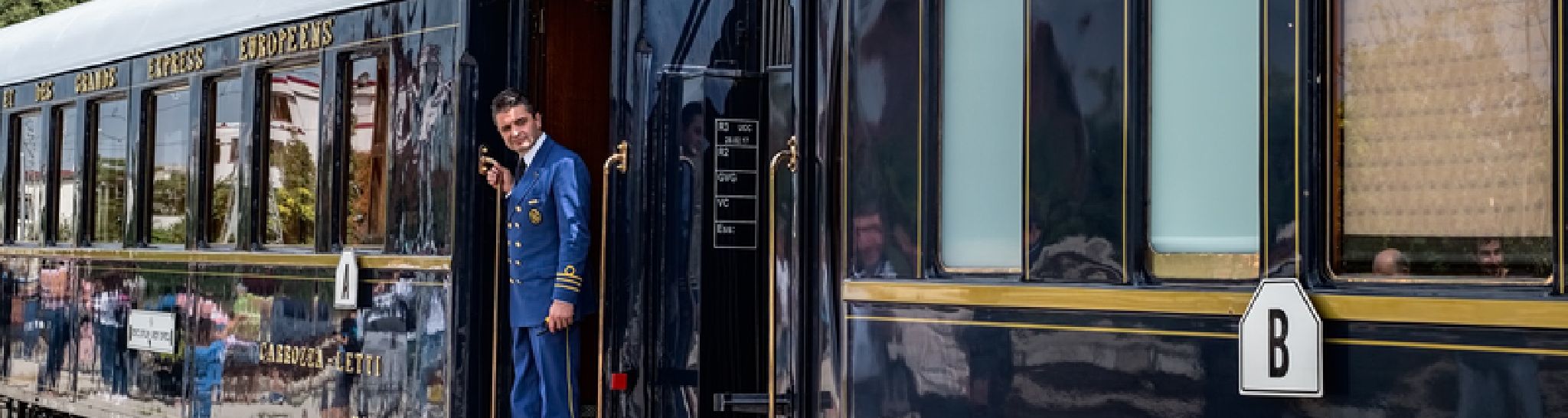
Poles, representing the upper and middle classes, are spending more and more on non-trivial travel. You can check regular train connections across Europe on PolishTrains. See which trains are considered the most prestigious and what standard is realistically available in Poland today. You can check a route with changes and waiting times between trains in the PolishTrains (polishtrains.eu) search engine when planning your journey to the departure point of the selected luxury train. They do not skimp on unique experiences - including... travelling on luxury trains. The most exclusive train is the legendary, now defunct Orient Express, whose route led from Paris to Istanbul. However, it has successors. Meet the most luxurious trains in Poland and around the world.