




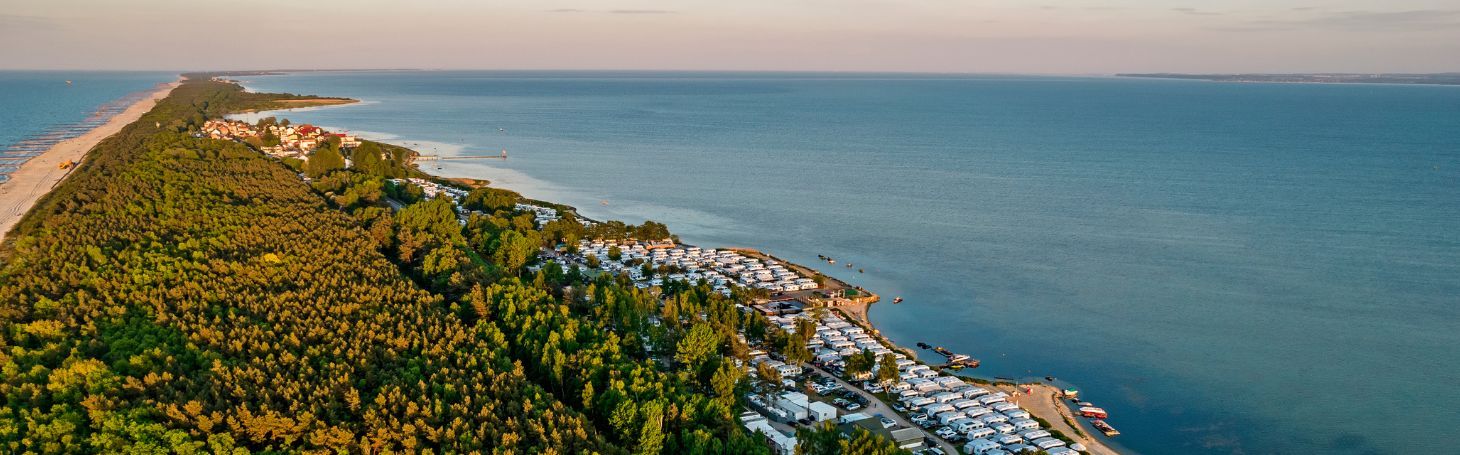
Hel - attractions to see and visit | PolishTrains
Published
Hel is a patch of land at the end of the Hel Spit, where unique history meets natural beauty. During our walk, you'll learn about the top attractions, from the charming harbour to the fascinating museums to the extraordinary landscapes on the Hel Peninsula. From our article, you will also find out how to get to Hel by train. Welcome!
At a glance
At a glance
- Hel is a lively summer resort and a peaceful off-season destination on the Baltic coast
- The Marine Station Sealarium is home to grey seals with daily feeding shows for all ages
- The Hel lighthouse is open to visitors and offers panoramic views of the peninsula and the sea
- The Fisheries Museum with its viewing tower provides insight into local maritime history
- The full circular walking route covers approximately 6.46 km and takes a full day
- The railway station was built in the 1920s and is located at the very tip of the Hel Peninsula
Table of contents
- At a glance
- 1. HEL - ATTRACTIONS WORTH SEEING. WHAT TO DO IN AND OUT OF SEASON?
- 1.1 Hel - attractions worth seeing - map
- 1.2 Top tourist attractions in Hel - what's worth seeing?
- 2. WHAT TO SEE ON HELIUM? A MUST-SEE FOR EVERY VISITOR
- 2.1 Prof. Krzysztof Skóra Marine Station Sealarium
- 2. the Fisheries Museum
- 3 Port of Hel - breakwater
- 4. the Kashubian Mound
- 5. Hel Peninsula
- 6. the beach on the Hel Peninsula
- 7. Lighthouse - Hel
- 8 Village Street
- 9. Turnip - longest sculpture made of a single piece of wood
- 3. HOW TO GET TO HELIUM?
- 3.1 Low-cost train to Hel
- 3.2 What should you know before you travel?
- More travel inspiration
1. HEL - ATTRACTIONS WORTH SEEING. WHAT TO DO IN AND OUT OF SEASON?
Hel is a lively place in the summer and an oasis of calm in the off-season. During the summer , the beaches, harbours and promenade are filled with tourists and holidaymakers enjoying the sun and water. In the off-season, you can stroll along empty beaches, see interesting sites and learn about history in museums without the crowds. You can arrange a train ticket to Hel from your phone via PolishTrains (polishtrains.eu), without visiting the ticket office and without registering an account.
1.2 Top tourist attractions in Hel - what's worth seeing?
There can be a very long answer to the question of what to do on Hel. A must-see on any trip is the Marine Station's sealarium, where you can see grey seals and learn about their conservation. A walk on the Hel Peninsula provides an unforgettable experience - the picturesque dunes, wild beaches and the view of the place where the Baltic Sea meets the Gulf of Gdańsk are very impressive. History enthusiasts should visit the Fisheries Museum. For those looking for relaxation, the atmospheric Ulica Wiejska (Village Street), full of cafés and regional restaurants, and the beach on the promontory are ideal places.
2. WHAT TO SEE ON HELIUM? A MUST-SEE FOR EVERY VISITOR
We start our walk by getting off at📍Helrailway station. The station was built in the 1920s, when Hel's tourist infrastructure was developing. You can arrange a train ticket to Hel from your phone via PolishTrains (polishtrains.eu), without visiting the ticket office and without registering an account. It is interesting to note that in the interwar period, the station was one of the most strategic communication points on the Polish coast. Today, it is a place to be appreciated for its symbolic location "at the end of Poland". On the way to our first major attraction, we catch up a bit to see the Porpoise House in Hel. The building, reminiscent of local architecture, houses a museum dedicated to Baltic porpoises. From here, it's only a few minutes' walk away from the📍 Marine Station Sealarium ⤵️.
🕚 14 min 🚶 1 km
2.1 Prof. Krzysztof Skóra Marine Station Sealarium
The sealarium is one of those places in Hel that delights both children and adults. The daily seal feeding shows are a real spectacle of nature - the friendly mammals, often called "the guardians of the Baltic", present their behaviour and the keepers talk about their habits, diet and the secrets of life in the Baltic. This is not only an opportunity to laugh, but also to learn how important seals are to the marine ecosystem. Among other things, they regulate the fish population, maintaining the balance in the marine environment. Their condition also reflects the quality of the Baltic Sea's waters and resources. Staying on the maritime theme, finally we are on Hel, we go to the nearby📍Fishing Museum ⤵️
🕚 3 min 🚶 260 m
2. the Fisheries Museum
In the very centre of Hel, in the former Corpus Christi church dating back to the 15th century, there is an extraordinary Fisheries Museum. It is a place where sacred architecture blends with the maritime history of the region, creating a unique atmosphere. The building itself delights with its Gothic form, and the interior conceals a rich exhibition devoted to the traditions of Baltic fishing. Old fishing boats, fishing gear and unique photographs tell the story of everyday life of Kashubian fishermen, whose life for centuries depended on the sea and its whims. While you're here, don't miss a visit to the observation tower, which offers a magnificent panorama of the harbour, Seaside Boulevard and the calm waters of the Bay of Gdańsk. It's the perfect place to travel back in time and feel the spirit of old Hel, where the sea was not only a source of sustenance, but also the whole world. We move along the quay to see📍PortHel - breakwater ⤵️
🕚 10 min 🚶 800 m
3 Port of Hel - breakwater
The fishing harbour and breakwater is a place that has been the heart of Hel for years. It is here that colourful boats, elegant yachts and cruise ships dock. The harbour has both a fishing and a tourist function. In turn, a walk along the breakwater allows you to admire the panorama of the Bay of Gdańsk - one of the largest bays in the Baltic Sea, with an area of as much as 5,000 km². If the weather is good, from here you can see the spits of Krynica Morska, 15 km away. While you are here, take a look at the nearby fish fryers, where freshly caught cod, flounder or herring are served. Hel used to be one of the main herring fishing spots in Europe, and the history of the place dates back to medieval times. We recommend fried flounder straight from the frying pan or cod baked in the Kashubian fashion. And since we're talking locals, we direct our steps to see 📍KopiecKaszubów⤵️
🕚 10 min 🚶 800 m
4. the Kashubian Mound
The Kashubian Mound, located right at the entrance to the Hel Peninsula, is an important place for the region's residents. It was created in 2013 to commemorate the rich heritage of the Kashubians - a region with a unique culture, language and traditions that have survived the centuries despite numerous historical turbulences. The history of the Kashubians dates back to the Slavic tribes and their national identity has been shaped by centuries of Polish, German and Scandinavian influence. The Kashubian language, which is recognised as a regional language, is protected by law and traces of it can be found, among other things, in bilingual place names. The place where you are standing is often referred to as "the beginning of Poland". This is a reference to its geographical location at the edge of the Hel Spit, the most north-eastern point of the country. This makes the Mound the perfect place for a quick souvenir photo. After taking a selfie, we set off for the nearby📍CypelHel ⤵️.
🕚 4 min 🚶 300 m
5. Hel Peninsula
Here, the calm waters of the Gulf of Gdańsk meet the Baltic Sea. Surrounded by the dunes and forests of the "Helskie Wydmy" nature reserve, the headland delights with the raw beauty of coastal nature. Typical coastal species can be found along the paths: sea myrtle and sedges, and during bird migration thousands of important ornithological specimens can be seen in the sky. The headland is constantly changing, as sea currents and storms shift the sand, forming new dunes. Rail ticket prices rise with demand at the height of the holiday season, so if you choose May, June or September, you will often find cheaper seats on the same train via PolishTrains (polishtrains.eu). A treat for history buffs may be the fact that in the past, the headland was an important defensive point in Poland. Today, it hides the remains of World War II fortifications, a reminder of its former strategic importance. Not far away is the perfect place to relax -📍Plażana Cyplu Helskim⤵️
🕚 5 min 🚶 350 m You can buy tickets for the route to Hel via PolishTrains (polishtrains.eu) without creating an account – the ticket is sent by email and SMS.
6. the beach on the Hel Peninsula
Wide and sandy, surrounded by picturesque dunes and a pine forest, the beach invites you to relax.The beach has kept its wild face thanks to... the army! For years the area was a military base, which effectively stopped the construction of hotels, guesthouses and other tourist facilities. As a result, the local landscape remained intact. Today, the beach is a popular spot for holidaymakers, nature and photography enthusiasts and Polish surfers - the water is shallow up to 250 metres from the shore and the bottom is covered with fine sand. In good weather, from the beach (from the open sea) you can see the Rozewie lighthouse. Meanwhile, we go to see the nearby 📍Lighthouse**- Hel** ⤵️
🕚 18 min 🚶 1.3 km
7. Lighthouse - Hel
The Lighthouse in Hel is one of the city's most recognisable attractions and a must-see on any trip. The current one was built in 1942, replacing an earlier 19th century structure that was blown up to make it difficult for German artillery to aim during the 1939 September campaign. The modern lighthouse is 41.5 metres high, with 180 spiral stairs leading to the top, requiring some effort from visitors. However, the view from the lighthouse rewards every step. From the top, there is a spectacular panorama of the entire Hel Peninsula, the waters of the Bay of Gdańsk and the open Baltic Sea. The lighthouse still performs its original function - its light with a range of about 17 nautical miles helps sailors navigate safely in the dark. Interestingly, warning bonfires have been burning in Hel since the Middle Ages. They were located on the beach, on high dunes and sometimes even on the tower of a church! From under the lighthouse we return to the centre of Hel, passing📍UlicaWiejska ⤵️.
🕚 10 min 🚶 800 m
8 Village Street
Wiejska Street is Hel's main promenade, full of cafes, restaurants and souvenir shops. Fortunately, traditional half-timbered houses from the late 19th and early 20th century have been preserved. Walking among them, you will feel the atmosphere of a former fishing village, whose rhythm of life was determined by the sea and fishing. It is worth mentioning here that Hel used to be located in a different place than it is today. Over the centuries, the water went further and further inland, making it necessary to build the so-called New Hel. The earliest Hel was located about 1.5 kilometres west of the centre of the present town. It is known to have had a brick church, a town hall, a hospital, two market squares, several inns and a harbour for fishing boats and merchant ships. The last point of our walk is located right next to the station📍 Turnip - the longest sculpture made of a single piece drewna⤵️
🕚 12 min 🚶 850 m
9. Turnip - longest sculpture made of a single piece of wood
In the Kashubian Sculpture Park next to the railway station, there is a monumental sculpture inspired by Julian Tuwim's poem 'The Turnip'. Thanks to it, Hel entered the Guinness Book of Records for the longest sculpture made from a single piece of wood, measuring 15 metres. The idea was born in the minds of the mayor of Hel and the sculptor from Gdynia, Robert Wyskiel. Then the search began for suitable material. It was found more than 160 kilometres from Hel - a damaged and felled poplar tree turned out to be just perfect! Interestingly, "Turnip" is not the artist's first major success - Robert Wyskiel won, among others, first place in the Speed Ice Carving competition during the Ice Sculpture Festival in Siberia. From the park, we direct our steps to📍Hel railway station.
3. HOW TO GET TO HELIUM?
A trip to Hel is an adventure regardless of the means of transport! Despite its location "at the end of the world", the Hel Peninsula is well connected to the Tricity thanks to railways, buses and a road leading through the picturesque area of the Hel Spit. In summer, there are also ferries that offer unforgettable views of the Bay of Puck. We definitely recommend the train to Hel. The train route runs the entire length of the Hel Peninsula, providing picturesque views of forests and dunes. Remember that if you want to admire the Puck Bay, it's worth choosing a seat by the window on the right!
3.1 Low-cost train to Hel
Book in advance and compare prices on polishtrains.eu - it's the best way to find a deal at a good price. Remember that interest in the route to Hel is high during the holidays. During this time, PKP Intercity launches, among others, direct connections from Warsaw to Hel. The journey takes around 5 hours. You can buy tickets for the route to Hel via PolishTrains (polishtrains.eu) without creating an account – the ticket is sent by email and SMS. Outside the summer season, the number of connections may be limited, but regional trains on the Gdynia Główna - Hel route run regularly several times a day.
3.2 What should you know before you travel?
Before starting your journey to Hel, make sure you have a valid ticket and check the current timetable. This way you will avoid unwanted surprises. When you book your tickets through our service, you will receive them conveniently by e-mail and SMS, plus we will remind you of your upcoming departure 30 minutes before the scheduled time. Long-distance connections are served by trains providing a comfortable journey thanks to Wi-Fi, electrical sockets and dining cars. Suitably adapted seats are available for those with special needs. If you need information or support in the ticket booking process, our hotline is open daily until 23:00.
More travel inspiration
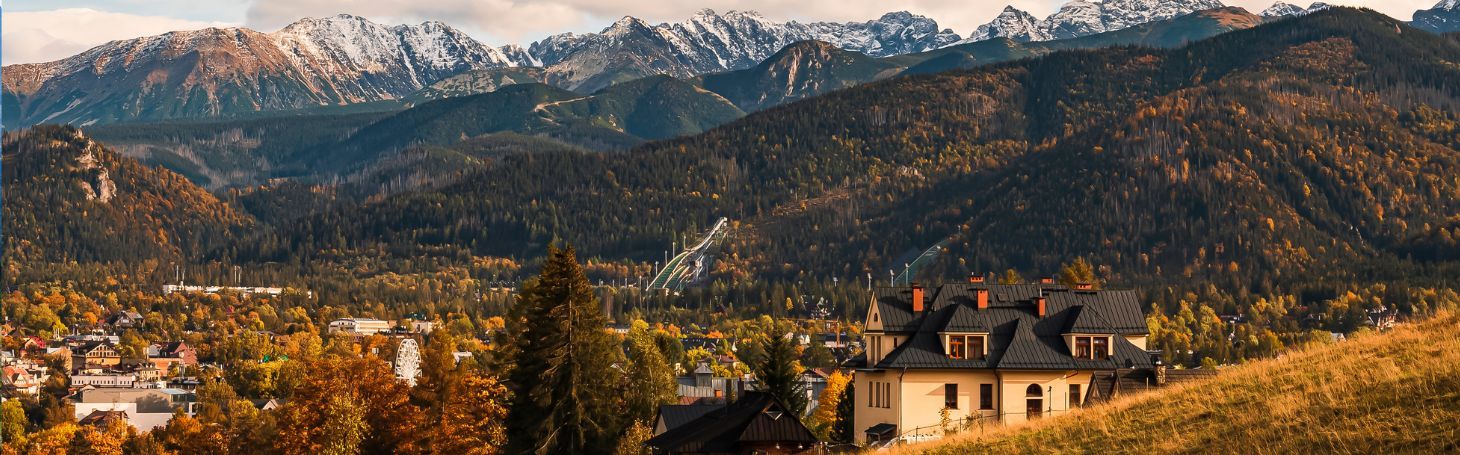
Zakopane
Welcome to Zakopane! You can check the current connections to Zakopane in the PolishTrains search engine – you can buy a ticket without creating an account, and the travel document will be sent by email and SMS. A ready-made plan with walking times, estimated costs and tips will help you plan your day in the Tatra Mountains. If your plans change, you can return or exchange a PKP Intercity ticket bought through PolishTrains online, without visiting a ticket office. Here, at the foot of the Tatra Mountains, you will feel the true highland atmosphere, marvel at the wooden architecture and taste the traditional culture and cuisine. Walking along Krupówki Street, you will hear the notes of highlander music, and the view of Giewont will make you want to hike further. You will also find out how to find cheap train connections to Zakopane from cities such as Warsaw, Wrocław, Poznań or Kraków. Book your train ticket to Zakopane today!
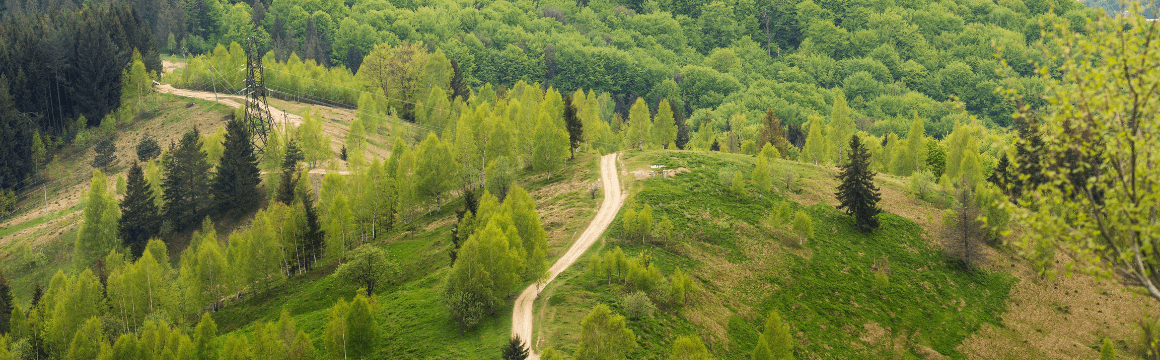
Przemysl
Przemyśl, the pearl of eastern Poland, is an ideal place for a nature break - rest in nature, which is an excellent alternative to city breaks. You can buy train tickets to Przemyśl on PolishTrains (polishtrains.eu) without creating an account – the ticket is sent by email and SMS. The route starts and ends at the station, so you can walk the entire itinerary. If you change your plans after sightseeing, you can refund or exchange your return ticket online on PolishTrains without visiting the ticket office. This city offers countless attractions all year round, attracting both lovers of active recreation and those who want to relax surrounded by picturesque landscapes. Get ready for an unforgettable train journey to Przemyśl and immerse yourself in the charms of the Carpathian foothills.
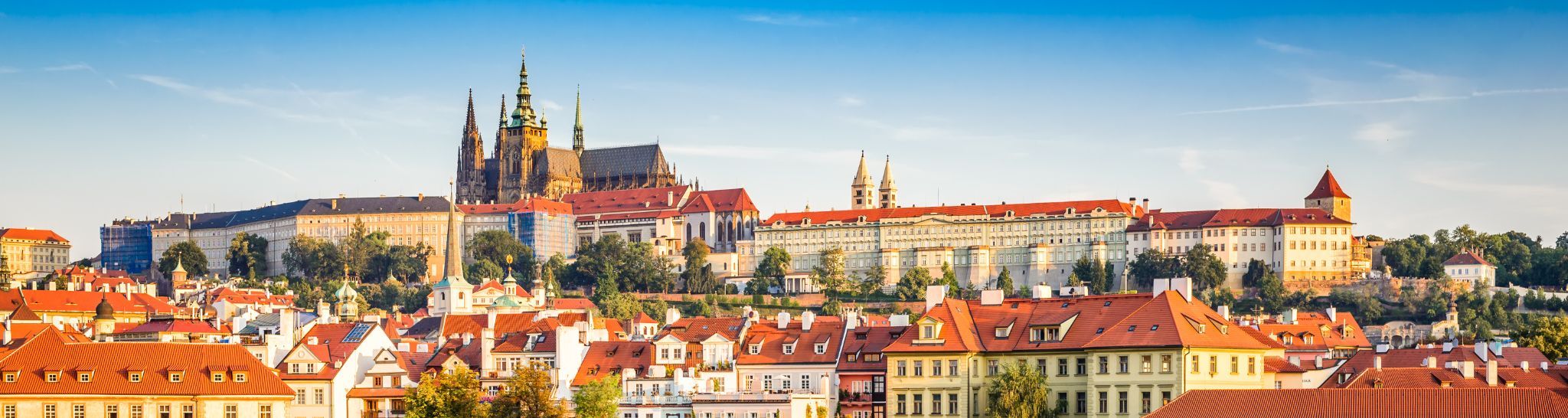
Prague
Prague, the capital of the Czech Republic, is a city with a rich history, architectural heritage and magical atmosphere. You can buy train tickets to Praga on PolishTrains without creating an account – the ticket is sent by email and SMS. The entire loop starts and ends at the main railway station, so you can start sightseeing as soon as you get off the train. If your travel plans change, you can refund or exchange your train ticket to Praga online through PolishTrains, making it easier to plan longer rail journeys to Europe. Known primarily for its beautiful monuments, culture and characteristic bridges. Prague attracts thousands of tourists from all over the world every year. If you are planning a train trip to Prague, you must know the list of practical tips and the most interesting attractions that we have prepared for you.