




The most beautiful cities in Italy that you can reach by train
Published
You can visit Italy's most beautiful cities without a car or flights by travelling by high-speed train between Milan, Venice, Florence, Rome and Naples in as little as 1-2 hours. In this article you will find specific train routes, realistic journey times, ideas for ready-made train journeys and practical tips on how to buy tickets and plan your train journey around Italy conveniently.
From this article you will learn:
The most beautiful cities in Italy available on the main routes
Travelling by train in Italy allows you to discover the country's most beautiful cities in natural order, exactly as the main railway lines crossing the peninsula from north to south are laid out. Trenitalia's major high-speed routes connect historical centres, artistic capitals and coastal destinations, so moving between them often takes less time than getting from the airport to the city centre. Importantly, Italy's train stations are usually located in the heart of cities, so when you get off the train you can start exploring almost immediately.
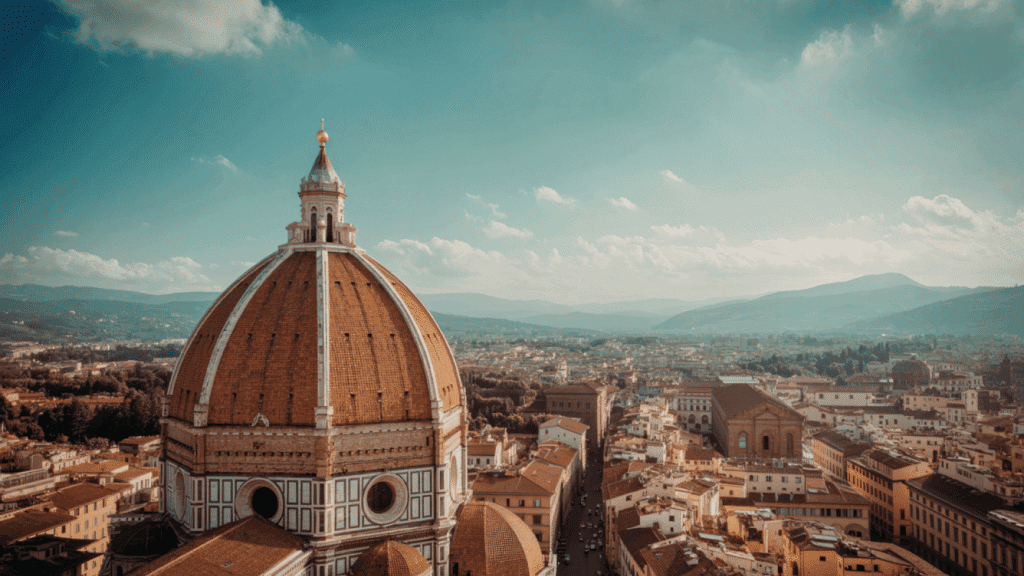
Florence - a Renaissance city you can reach by train
Florence lies directly on one of Italy's most important rail axes, connecting Milan, Bologna and Rome. It is one of the most easily accessible cities for train travellers! Firenze Santa Maria Novella station is just a few minutes' walk from Santa Maria del Fiore Cathedral and the historic centre, making the city perfect even for a day stop during a train journey in Italy. Arriving by rail allows you to avoid the traffic restrictions in force in the centre and immediately immerse yourself in the atmosphere of art galleries, narrow streets and Tuscan piazzas.
Venice - a city on the water within reach of the railway
A train journey to Venice is one of the most unique rail experiences in Europe. The train enters the long causeway leading across the Venetian Lagoon and the final station, Venezia Santa Lucia, is located directly on the Canal Grande. What does this mean? When you step off the carriage, instead of streets and car parks, you see gondolas and the vaporetto! With its frequent connections to Milan, Verona and Florence, Venice is a natural point on a tour of northern Italy.
Rome - the historic heart of Italy at the crossroads of the railways
Rome is the central hub of Italy's rail network. Roma Termini station serves connections from all over the country. High-speed trains make it possible to get here from Florence in around 1.5 hours and from Naples in just over an hour, making the capital the ideal base point for further train journeys around Italy. The railway makes it convenient to travel between districts and regions without having to navigate the heavy urban traffic by car.
Naples - southern energy just after getting off the train
Naples perfectly demonstrates the advantages of rail travel over other modes of transport. Napoli Centrale station is close to the centre and is the starting point for exploring the city, Pompeii or the Amalfi coast. Thanks to fast connections from Rome, the journey takes around an hour, making the south of Italy easily accessible even on a shorter trip. The route further south additionally offers views of Vesuvius and the Gulf of Naples.
Milan - the modern gateway to northern Italy
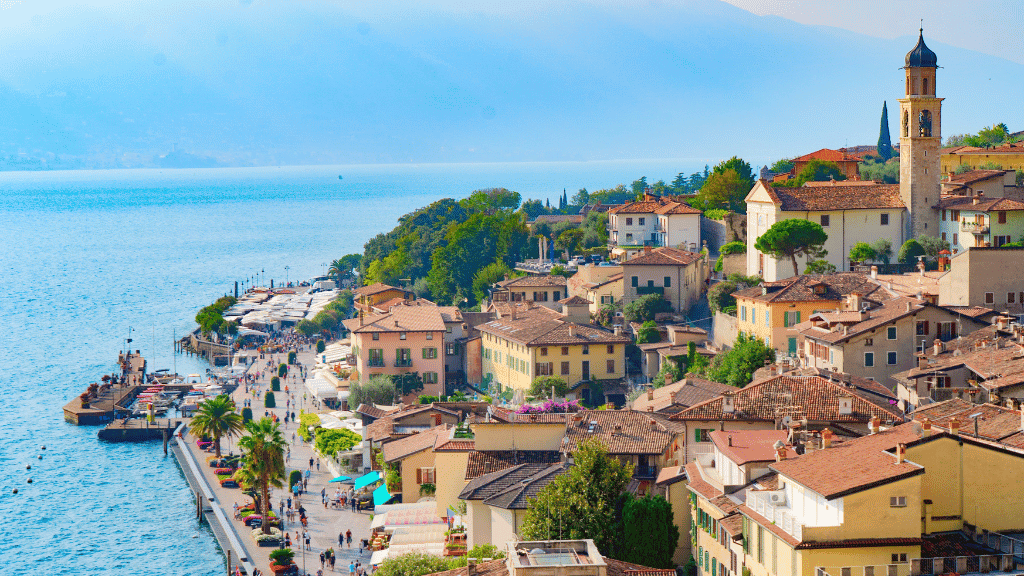
Milan is one of the best-connected railway points in Southern Europe and a natural start to a journey through Italy by rail. The monumental Milano Centrale station connects high-speed lines to Turin, Venice, Bologna and Florence, as well as regional routes to Lakes Como and Garda. The train journey allows you to move in a short time from the metropolitan architecture of one of Italy's most beautiful cities to the alpine landscapes, showing the extraordinary diversity of the country's northern regions.
The best routes and ideas for train travel in Italy
Italy's rail network favours travelling in stages, so that instead of one city, a seamless route can be planned through several regions without having to return to the starting point. High-speed trains allow longer distances between major centres to be covered quickly, while regional services allow stops in smaller towns along the way. This travel model makes the tour resemble a natural scenic journey, where the route itself becomes part of the experience.
Milan - Venice - Florence - Rome: a classic journey through Italy's most important cities
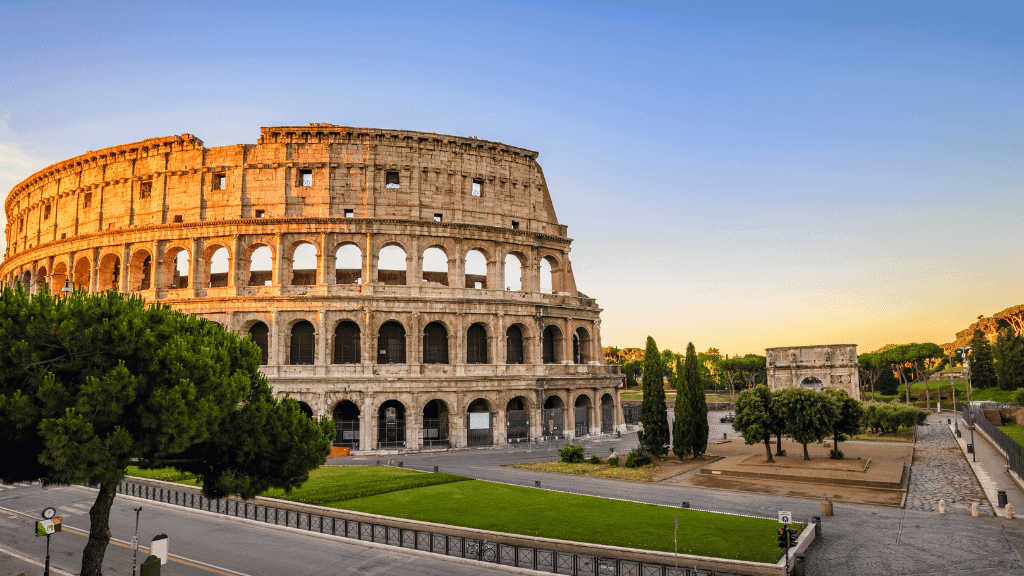
This is one of the most comfortable routes for first-time visitors to Italy. The train journey in Italy starts in Milan, from where you can reach Venice in about 2.5 hours by high-speed train, then continue to Florence and later to Rome. These cities are located on the main high-speed rail line, allowing you to reduce journey times and make the most of your sightseeing time.
Florence - Pisa - Cinque Terre - Genoa: scenic route along the Ligurian Sea
This is a suggestion for those looking for a more scenic journey. Regional trains make it easy to travel between the Tuscan cities and the colourful villages of the Cinque Terre. The train line runs right along the coast, offering views of the cliffs and the Ligurian Sea, while avoiding difficult mountain roads and parking restrictions.
Rome - Naples - Salerno: the gateway to the south of Italy
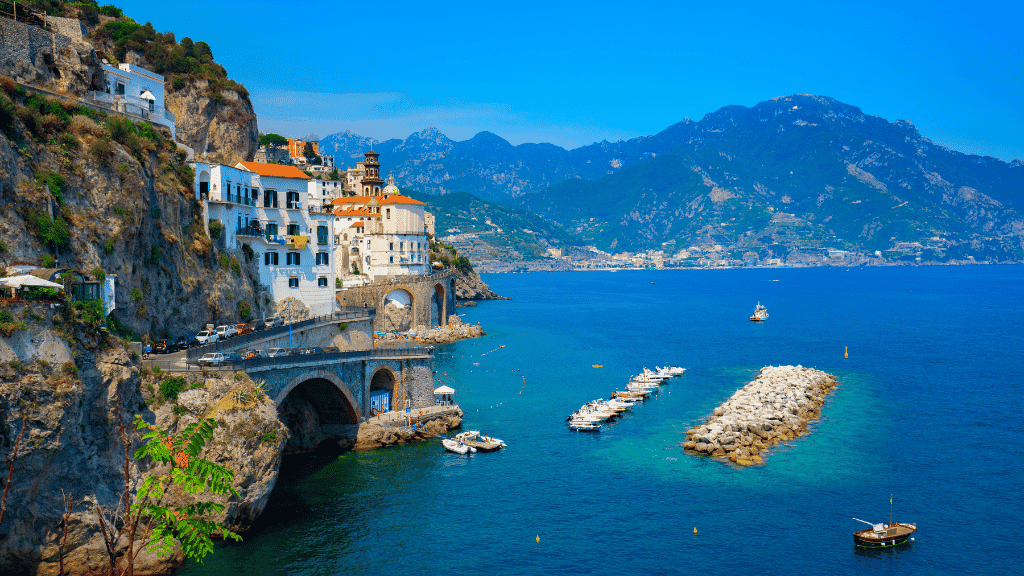
A short journey by high-speed train from Rome to Naples opens access to a completely different face of the country. From Naples, you can easily reach Pompeii by regional rail or continue to Salerno, which is the starting point for the Amalfitan Coast. It is a route that combines history, southern cuisine and spectacular coastal scenery.
Bologna - Verona - Lake Garda: the quieter north of Italy
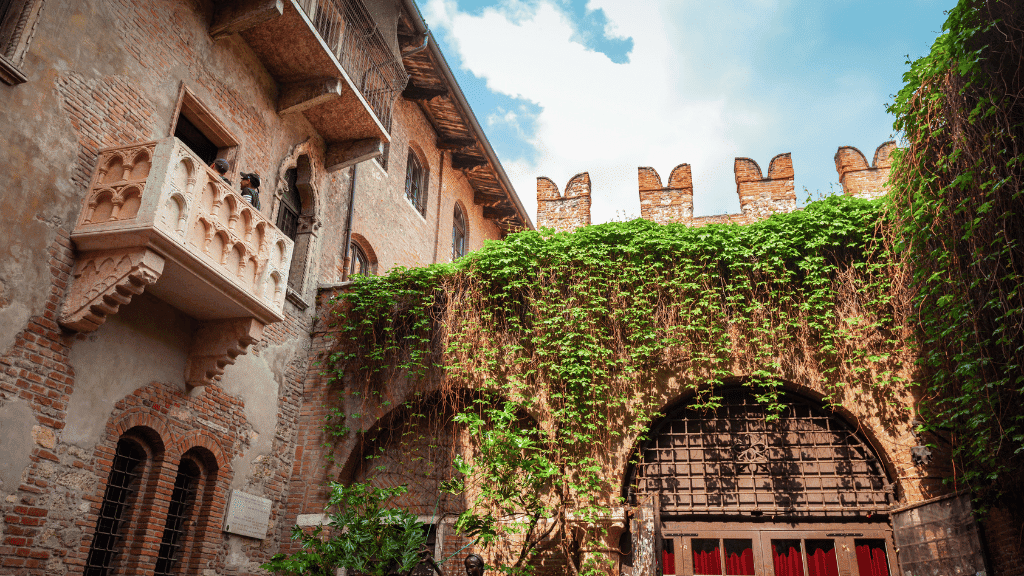
Bologna, one of Italy's most important railway hubs, is the ideal starting point for discovering the northern regions. A short drive to Verona allows you to see the city of Romeo and Juliet, while a further regional journey takes you to Lake Garda. It's an itinerary we can recommend to those looking for a balance between city sightseeing and relaxing in nature.
Rome - Florence - Bologna - Milan: a high-speed business and tourist route
The high-speed line crossing central and northern Italy is an example of how efficient the Italian railway is. Journeys between successive cities last between one and two hours, making it possible to even make short stops in several places during a single train journey through Italy. This is an ideal option for those planning intensive sightseeing without the need for planes or a car.
Which part of Italy is the most beautiful?
There is no single answer to this question, because it is rail travel that best demonstrates how diverse Italy is. Each region reveals a completely different landscape, culture and pace of life, and thanks to the dense network of rail links, it is possible to move from alpine panoramas to the turquoise sea or from Renaissance cities to southern, sunny coasts in a matter of hours. The train allows you to see the country as a coherent whole rather than a collection of separate destinations, as rail routes often take you through the most scenic parts of the peninsula, inaccessible from the perspective of motorways or airports.
From the point of view of rail travel, three areas are particularly delightful.
-
Northern Italy offers spectacular views of the Alps and lakes, with easy access to Milan, Verona or Lake Como.
-
The central part, with some of Italy's most beautiful cities (Florence, Bologna and Rome), is regarded as the heart of Italian history and art, and the short journey times between cities are conducive to round trips.
-
The south of the country impresses with its contrasting landscapes, the climate of Naples, the Campania coast and the Sicilian railway routes running along the sea. The most beautiful part of Italy thus often turns out to be not a single region, but the very road between them, viewed from the train window.

Main routes and travel times
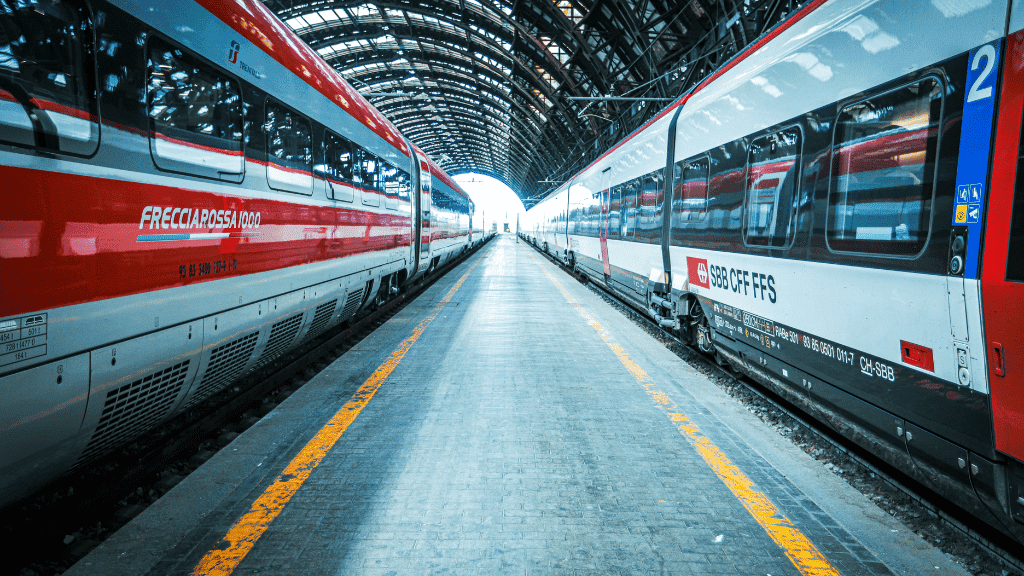
Travelling by train in Italy allows you to plan your itinerary very precisely, as the country's most important cities are connected by a network of fast and regular train connections. Thanks to the Frecciarossa, Frecciargento and Intercity trains, it is possible to travel between the north and south of Italy in a short period of time, often quicker than by plane if you include getting to the airport and checking in. The following overview shows the most popular train routes chosen by tourists and approximate travel times to help you plan a realistic sightseeing itinerary.
Journey times are approximate and may vary depending on the connection chosen and the number of stops.
Good to know
Tickets for Trenitalia routes can be purchased from as little as £50 per ticket (e.g. Milan-Florence), and all connections are available on EurTravel.
Why travel around Italy by rail?
Travelling by rail in Italy allows you to discover the country in a natural, comfortable and extremely logistically efficient way. The rail network is one of the best developed in Europe and connects both major metropolises such as Rome, Milan and Florence, and smaller cities full of history that are difficult to reach by plane or car.
Frecciarossa's high-speed trains cover the Milan-Rome route in around three hours, with regional trains stopping at locations just outside historic centres, often a few minutes' walk from the main attractions. As a result, train travel in Italy starts straight away, with no transfers from airports or searching for parking in restricted zones.
Railways in Italy also give you a great deal of freedom to plan your trip and allow you to explore the country at a pace that suits you. Frequent connections allow for spontaneous changes of plans, day trips between Italy's most beautiful cities or comfortable round trips without driving.
An important advantage of train travel in Italy is also ecoplogy - train travel generates significantly lower CO₂ emissions than air or individual transport. As a result, rail becomes not only a convenient mode of transport, but also a way to explore Italy's landscapes in a quieter, more informed way, from the Alpine vistas to the coastal lines along the Ligurian Sea and the Adriatic.
Important practical advice
Strikes by public transport workers occur relatively regularly in Italy, but rarely completely paralyse rail traffic. Strikes are usually announced in advance and take place at specific times, and operators, including Trenitalia, are obliged to ensure the so-called servizi minimi garantiti, i.e. a minimum number of guaranteed connections, especially during the morning and afternoon rush hours.
It is worth remembering that strikes by public transport workers occur relatively regularly, but in practice rarely completely paralyse rail traffic. Strikes are usually announced in advance and take place at specific times, and operators, including Trenitalia, are obliged to provide the so-called servizi minimi garantiti, i.e. a minimum number of guaranteed connections, especially during the morning and afternoon rush hours.
How to buy tickets for the Italian railway? The answer is PolishTrains!
It's best to plan your train ticket purchase in Italy before you go, so you can compare connections, prices and journey times between cities with peace of mind. Train travel in Italy can be conveniently organised using the PolishTrains.eu website and the PolishTrains mobile app, both of which allow you to search for and purchase Trenitalia tickets in one place, in Polish. This is particularly helpful when planning a multi-city trip, when it is important to quickly match transfers and optimum travel times.
If you have any questions or need support, you can call the consultants at PolishTrains:
-
by telephone on +48 123 451 661 (charge according to the operator's tariff),
-
via priority call +48 703 402 010 (cost: PLN 2.58 inc. VAT/min.),
-
or by e-mail: contact@polishtrains.eu.
The PolishTrains customer service office operates daily, including Sundays and public holidays, from 7:00 a.m. to 11:00 p.m., and consultants are available in Polish, English, Ukrainian and Russian. Once you have purchased your ticket online, you receive it electronically - as a PDF file and a link sent via SMS, so you only need to carry your phone with you. During the inspection, you present the ticket directly on your smartphone screen, without having to print documents or pick them up at the station, allowing you to travel around Italy comfortably and completely without paper tickets.
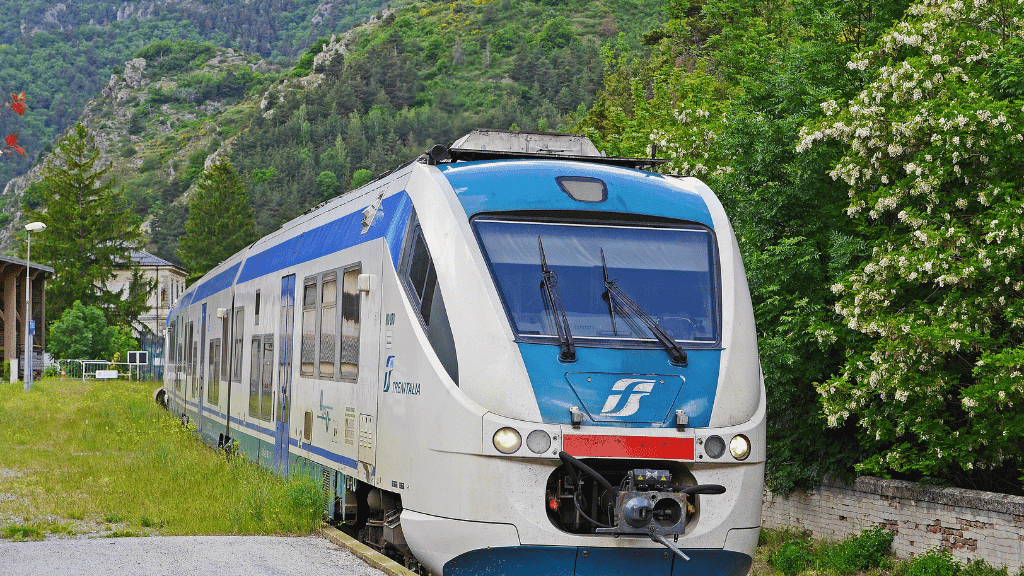
Travelling by rail in Italy is one of the most convenient ways to explore the country! Trenitalia trains connect the most beautiful cities in Italy, such as Milan, Venice, Florence, Rome or Naples, allowing you to move quickly and comfortably between regions. You already know the most important train routes and journey times - now you can organise a round trip around Italy with the help of PolishTrains!
This article was prepared by the PolishTrains editorial team. We follow the rail market in Poland and Europe, look for new connections and support you at every stage of your journey.
Frequently asked questions

How to check if there is WARS on the train? A practical guide for travellers | PolishTrains
Planning a train journey, wondering if there is a restaurant car on the train? Pendolino, meaning EIP-category trains, is the most reliable choice if you are counting on a WARS dining car on your route. On PolishTrains, you can check this before buying your ticket on the seat map, where the dining car is marked with a crossed-cutlery symbol. In our practical guide, we suggest how to quickly and effectively check if there is a tasty meal waiting for you on the train. You will find out how to check if there is a WARS on the train. Where to look to find out if there is WARS on the train and which trains most often offer it?

Train abroad - how to use international PKP connections?
How to travel abroad by train? On the Warsaw–Berlin route, you can buy your ticket in the PolishTrains search engine, choosing your class and seat during the purchase. You can buy tickets for these routes on PolishTrains in PLN, without creating an account – the ticket is sent by e-mail and SMS a few seconds after payment. Just take advantage of PKP Intercity's international connections, which enable direct travel from Poland to many European capitals - Berlin, Vienna, Prague, Budapest or Vilnius. In the 2025/2026 timetable, the carrier offers as many as 57 pairs of international trains. Find out how to take advantage of PKP's international connections and enjoy your trip abroad.

Is it possible to buy a ticket on an IC train?
On PKP Intercity trains you can buy your ticket directly from the conductor, but this involves an additional charge. You can buy your ticket in advance in the PolishTrains search engine – it is sent by email and SMS, without creating an account. There you can also check the Intercity timetable for the next few days, including tomorrow, and choose a connection before you board. The best solution is to buy your ticket in advance at the ticket office, online or in the PolishTrains app. But what if you are already standing at the station and you still don't have a ticket? Find out how buying a ticket on board a train works.

PKP concessions and discounts - who is entitled to cheaper tickets? | PolishTrains
Travelling by rail is not only about convenience and speed. You can choose the discount when purchasing your ticket in the PolishTrains search engine – the ticket is sent by email and SMS without creating an account. It's also about being able to take advantage of the various discounts offered by the Polish State Railways. The rules for applying them vary depending on the group and carrier. This also applies to international tickets – in the PolishTrains search engine, you can buy tickets for Eurostar, Deutsche Bahn, Italo NTV and RegioJet, although statutory PKP discounts apply only to domestic journeys. In this article, we'll take a closer look at what types of concessions are available on the PKP and who can benefit from them. Whether you're a student, senior citizen, disabled person or parent, you'll find information on how to travel cheaper by train here.
International train journeys with PolishTrains | PolishTrains
Travelling abroad by train has never been so easy thanks to PolishTrains. You can buy tickets for these routes and services operated by other European carriers on PolishTrains in Polish, in PLN and without creating an account. The offer includes services to Germany, Austria, Czechia, Hungary and Lithuania, as well as routes within Europe, such as Paryż - Londyn, Mediolan - Rzym and Barcelona - Madryt. For your first train journey abroad, large routes between capital cities like these are a good choice, as you can compare the connection and price at once in the PolishTrains search engine. Our special offers for direct connections from Polish cities to popular European destinations such as Vienna, Berlin, Budapest, Munich, Ostrava and Vilnius make planning your next adventure effortless. Whether you're dreaming of visiting France, Switzerland or the Netherlands, PolishTrains is the service to meet all your travel needs.