



What are the types of trains on the PKP? | PolishTrains
Published
Travelling by train in Poland offers a diverse experience, depending on the type of train chosen. In the PolishTrains search engine, you can sort results by departure time, so you can quickly compare the available categories on your chosen route. On PolishTrains, you can buy a ticket for any of these categories without creating an account, and the ticket is sent by email and SMS. The Polish State Railways (PKP) companies offer passengers several categories of trains - from high-speed intercity connections to more economical options. Each differs in terms of amenities, speed of travel and ticket price. In this article, we take a closer look at what each type of train entails and the differences between them.
At a glance
Tickets for all PKP Intercity train categories - EIP, EIC, IC and TLK - can be bought in the PolishTrains search engine. Creating an account is not required - an email address and telephone number are sufficient.
The ticket is sent by email and SMS within several seconds of payment. An SMS reminder 30 minutes before departure contains a link to the ticket, so you do not have to search for it in your inbox.
Payment in PLN is available for all domestic and international connections. * PKP Intercity train types: 4 long-distance categories - EIP, EIC, IC and TLK
-
Fastest category: EIP - Pendolino reaches approximately 200 km/h on modernised sections; seat reservation is compulsory
-
Widest station network: TLK serves hundreds of stations throughout the country, including in smaller towns
-
Regional carriers: POLREGIO, Koleje Dolnośląskie, Koleje Wielkopolskie and other local-government companies use the designations R, RP, iR, sR, Os, OsP, P and Ł
-
Buying a ticket: domestic tickets on PolishTrains can be bought up to 30 days before travel, and international tickets up to 60 days before travel ### At a glance
- PKP Intercity operates four train categories: EIP (Pendolino), EIC, IC and TLK
- Pendolino (EIP) offers the shortest journey times between major Polish cities at up to 200 km/h
- EIC trains run at up to 160 km/h with first and second class, restaurant car and Wi-Fi
- TLK is the most affordable long-distance option and includes some overnight sleeper services
- IC trains cover the widest range of routes and offer a good balance of price and comfort
- PolishTrains sells PKP Intercity tickets up to 30 days (domestic) or 60 days (international) in advance You can check the current rules on the PolishTrains help page. You can find the rules for carrying luggage, bicycles and sports equipment in the PolishTrains luggage guide.
EIC - what kind of train is it?
In ticket booking systems and on timetables you may come across the EIC train. What does this mean? It stands for Express InterCity. These are long-distance trains offering fast and comfortable journeys between the main cities of Poland. These are air-conditioned trainsets, equipped with first and second class carriages. EICs provide a wide range of amenities such as luggage space, internet access and a dining car. They guarantee a high standard of travel and the possibility of booking a seat.
EIP - what does it mean?
An extension of this acronym is the name Express InterCity Premium, which is PKP InterCity's most exclusive offer. It includes the most modern trains of the Pendolino category. They offer the shortest journey times between major agglomerations while providing the highest level of comfort. The carriages are equipped with a stabilisation system, which minimises the effects of sway during the journey. EIP offers premium first class, catering delivered to your seat and access to wireless internet. Tickets for these connections are among the most expensive, but purchasing a ticket guarantees the highest level of comfort during the journey.
EIC vs EIP - what are the differences? Which type should I choose?
The main difference between EIC and EIP is the speed and level of service. The EIP category was created in 2014, which is when PKP InterCity introduced Pendolino trains. So, what are the differences between EIC and EIP offerings?
Express InterCity is an excellent choice for those looking for the golden mean between price and comfort. EIC trains offer a high standard of travel with air-conditioned carriages available in first and second class. At the same time, they offer a wide range of amenities such as internet access, wheelchair-accessible seats and a restaurant car offer. Furthermore, the EIC operates on a wide range of routes, with a maximum speed of 160 km/h. Trains of this type run on more routes than its more luxurious counterpart. Ticket prices for EIC trains are not among the cheapest, as this is a top-shelf offering from PKP InterCity. Although fares are cheaper than on EIP.
On the other hand, Express InterCity Premium is for those who expect luxurious conditions and a fast journey. Of course, this is reflected in ticket prices. EIP trains reach the highest speeds on Polish tracks (up to 200 km/h), which significantly reduces travel time. However, the price of the service includes first-class service, with meals delivered to your seat, high-speed internet access and more personal and luggage space. However, the small number of premium trains means the number of available routes is limited, which can be a downside for those looking for flexibility in their travel plans.
In summary, the choice between EIC and EIP depends on the individual passenger's priorities. Those who value moderate comfort at a reasonable price and greater availability of connections will find the EIC an attractive option. On the other hand, passengers for whom speed, comfort and the highest standard are most important, even at a higher price, will undoubtedly appreciate the EIP offer.
IC train - what does it mean?
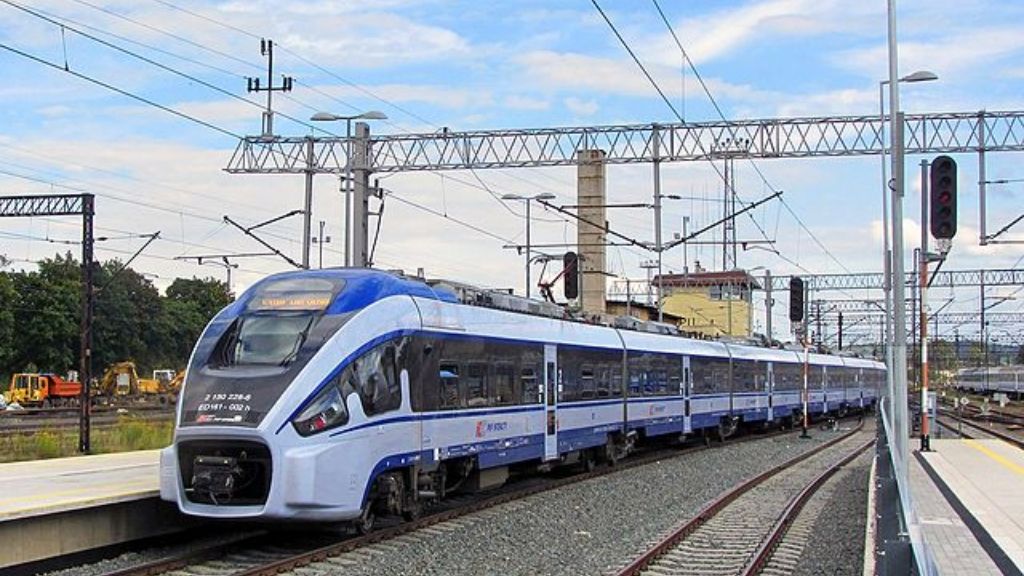
IC, or InterCity, is another category of long-distance train, connecting the larger and smaller cities of Poland. They offer not only comfort and safety, but also modernity and accessibility. On trains of this kind, you can encounter modernised carriages with ergonomic seats, and air conditioning. ICs are an alternative to EICs, offering slightly lower ticket prices while maintaining good service quality. What's more, they stop at many stations where express services are not available. These trains also have restaurant cars and bars, the so-called Wars.
Thanks to EU support, almost 70 per cent of the rolling stock is already made up of new or modernised units, significantly raising the standard of travel. The investment programme, implemented with EU funds, contributes to the expansion and modernisation of the fleet, ensuring passenger comfort on domestic and international routes, including those to Germany, Hungary, Slovakia, the Czech Republic and Austria.
TLK - what is it? How do you expand this abbreviation?
TLK stands for Twoje Linie Kolejowe (formerly Tanie Linie Kolejowe). It is an offer aimed at passengers looking for more economical travel options. TLK trains connect different parts of the country, ensuring that routes are highly accessible. The brand's mission is to guarantee a good standard of travel, at the lowest possible price. That is why, against the entire offer of PKP InterCity, TLK tickets are the cheapest. The rolling stock is being successively modernised, so more and more trains are being converted to the IC (InterCity) standard.
TLK vs. IC - the differences. Which type of railway to choose?
The choice between TLK and IC trains depends on individual passenger preferences regarding price, comfort and service availability.
InterCity (IC) trains offer travellers a higher standard of travel, with modern rolling stock partly financed by European Union funds. This includes new carriages, but also those modernised from the TLK category. ICs are distinguished by the presence of dining cars and sometimes sleeping cars, offering passengers more amenities during their journey.
Twoje Linie Kolejowe (TLK), the lowest category of train operating within PKP InterCity. TLKs reach around 350 stations, providing a wide range of domestic connections, although without access to bar/restaurant carriages, which can be important for long-distance travel. Instead, they provide access to sleeping cars on overnight services.
Significantly, both types of train offer tickets at the same prices. This is probably due to the fact that the TLK rolling stock is being successively modernised so that it will be fully transferred to the InterCity offer in the future. Both offers also provide the same accessibility in smaller towns and cities and on international routes. Therefore, if you are considering choosing between TLK and IC, the difference lies in the slightly higher standard and availability of the dining car on IC trains.
Other types of PKP trains - regional companies
So far, we have discussed the various categories of trains operated by PKP Intercity. However, it is worth remembering that in addition to this offer, there are also transport services provided by other companies belonging to the PKP group. The most important carriers include Polregio, Koleje Wielkopolskie, Koleje Dolnośląskie or PKP Szybka Kolej Miejska. They offer a wide range of local and interregional connections, tailored to the needs of the inhabitants of individual provinces or agglomerations.
Each of these companies has its own rolling stock offer, and train designations include:
- R - REGIO,
- RP - accelerated REGIO train,
- iR - interREGIO, i.e. a connection between Łódź and Warsaw,
- sR - superREGIO, i.e. an accelerated passenger train running on longer routes,
- Os - passenger,
- OsP - accelerated passenger,
- P - Premium trains of Lower Silesian Railways on the Wrocław-Berlin route,
- Ł, ŁP, ŁS - Łódź Agglomeration Railway in standard, accelerated and Sprinter variants. If you are looking for a connection to the seaside, you can buy and compare a ticket to Gdańska in your chosen category - EIC, IC or TLK - in the PolishTrains search engine. For a city break to Pragi, Wiednia or Budapesztu, you can plan and buy a return ticket on PolishTrains, choosing a category suited to the length of your journey.
Choose the type of train to suit your preferences
In summary, choosing the right type of train, whether with PKP Intercity, POLREGIO or another railway company, depends on individual preferences and the destination of the journey. The trainsets differ in speed achieved, comfort, availability of additional services and ticket prices. Each of these categories offers unique advantages, from fast and luxurious travel to more affordable options. If you already know which train you want to board, we encourage you to book your train ticket on PolishTrains. You're sure to find the right connection there.
Take a trip by train

PKP concessions and discounts - who is entitled to cheaper tickets? | PolishTrains
Travelling by rail is not only about convenience and speed. You can choose the discount when purchasing your ticket in the PolishTrains search engine – the ticket is sent by email and SMS without creating an account. It's also about being able to take advantage of the various discounts offered by the Polish State Railways. The rules for applying them vary depending on the group and carrier. This also applies to international tickets – in the PolishTrains search engine, you can buy tickets for Eurostar, Deutsche Bahn, Italo NTV and RegioJet, although statutory PKP discounts apply only to domestic journeys. In this article, we'll take a closer look at what types of concessions are available on the PKP and who can benefit from them. Whether you're a student, senior citizen, disabled person or parent, you'll find information on how to travel cheaper by train here.
Prague
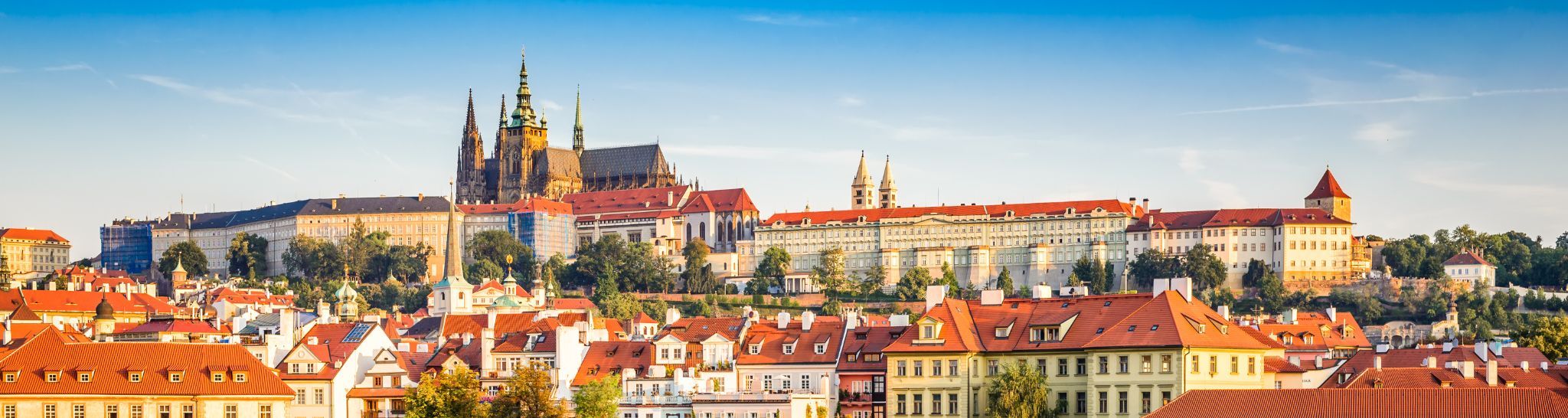
Prague, the capital of the Czech Republic, is a city with a rich history, architectural heritage and magical atmosphere. You can buy train tickets to Praga on PolishTrains without creating an account – the ticket is sent by email and SMS. The entire loop starts and ends at the main railway station, so you can start sightseeing as soon as you get off the train. If your travel plans change, you can refund or exchange your train ticket to Praga online through PolishTrains, making it easier to plan longer rail journeys to Europe. Known primarily for its beautiful monuments, culture and characteristic bridges. Prague attracts thousands of tourists from all over the world every year. If you are planning a train trip to Prague, you must know the list of practical tips and the most interesting attractions that we have prepared for you.

What is train travel like for people with disabilities? | PolishTrains
People with disabilities are becoming more and more active. You can check the current timetable for connections with places adapted to the needs of people with disabilities on an ongoing basis in the PolishTrains search engine, without having to log in to an account. You can buy a concessionary ticket in the PolishTrains search engine without creating an account, and after purchase it is sent to your email and by SMS. They are also increasingly willing to set off on train journeys. Discounts for the disabled are also an incentive to travel. People with disabilities also often face financial constraints, but the PKP offer is usually the most attractive in this respect.
Budapest
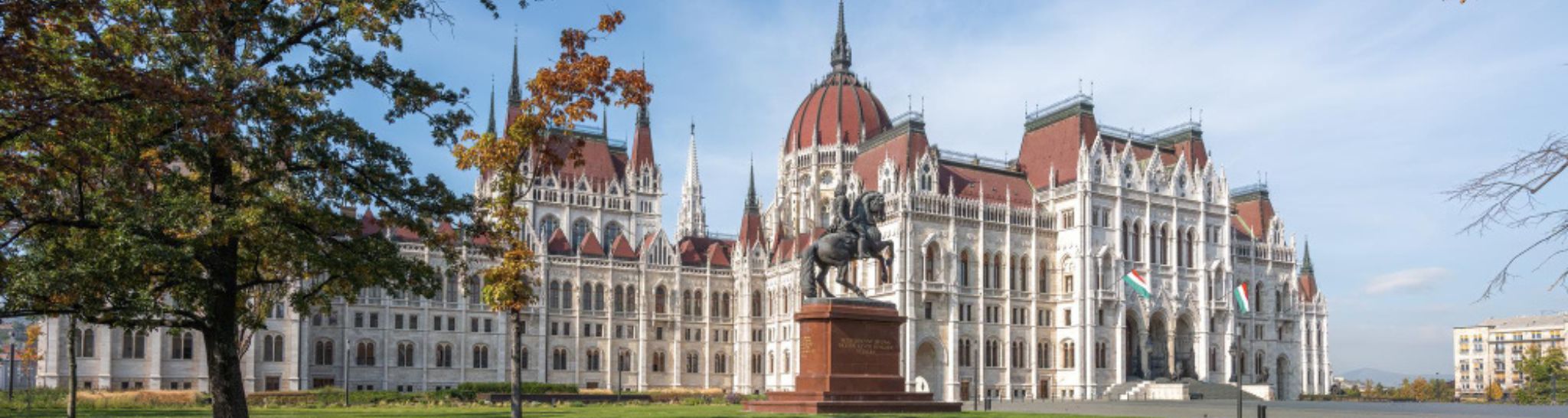
Straddling the majestic Danube River, Budapest is the vibrant capital of Hungary and a true gem of Central Europe. You can buy train tickets to Budapeszt on PolishTrains without creating an account – the ticket is sent by email and SMS. The route starts and ends at Keleti station, passes over two historic bridges and allows you to see the largest synagogue in Europe, a royal residence dating from the 13th century and the Parliament, which is traditionally said to have 365 turrets. You can check rail connections to Budapest from various cities in Poland in the PolishTrains search engine, where you will see both daytime and overnight trains.