


Rijeka, Croatia — what to see in 2026? Attractions, beaches and surroundings
Published
Imagine stepping off the train straight into the heart of a lively, sun-soaked city, where the aroma of freshly brewed espresso mingles with a crisp sea breeze. Rijeka, Croatia's third-largest city and 2020's European Capital of Culture, is one of the most rewarding destinations you can reach directly by night train from Poland in 2026 — on PolishTrains you can book the direct Adriatic Express from Warsaw from €44.90, with your e-ticket sent by email in English. This is a genuine, multicultural port where history meets a modern, artistic rhythm — without the dense crowds of the more famous Adriatic resorts. Here's a practical guide to help you explore.
In brief (TL;DR)
The key things to know about Rijeka before you plan your trip:
- Status and history: Croatia's third-largest city and proud holder of the 2020 European Capital of Culture title.
- How much time you need: To feel the real atmosphere and see the main sights, plan for at least 2–3 days.
- Top attractions: The medieval Trsat Fortress, the buzzing Korzo promenade, the picturesque Molo Longo pier and the historic City Tower.
- Getting there from Poland: The most comfortable option is the direct overnight Adriatic Express train — book your ticket on PolishTrains from €44.90.
Rijeka, Croatia — what it's famous for and what to expect
Rijeka is Croatia's third-largest city and a fascinating, multicultural port where Italian, Hungarian and Slovenian influences intertwine. This isn't another mass-tourism resort — Rijeka keeps its raw, magnetic authenticity. The city lives to its own rhythm all year round, not just during the summer season. In 2020 it was recognised on the international stage as European Capital of Culture, which left behind a rich artistic scene and beautifully renovated industrial venues.
What can you expect on arrival? Contrasts that draw you in. On one hand, monumental Austro-Hungarian architecture; on the other, modern industrial installations and working harbour quays. The heart of the city beats on the Korzo promenade, where life flows from morning until late at night. Rising above it all is the proud Trsat hill, from where the view of Kvarner Bay can leave you speechless. Rijeka charms visitors with the buzz of its fish market, the calm of its breakwater and the openness of its residents. It's also the gateway to further exploration of the region: the islands of Kvarner Bay and the historic Habsburg riviera.
Top attractions in Rijeka — what to see in the city?
Trsat Fortress (Trsatski Kaštel)
A medieval castle proudly perched on a hillside, offering a spectacular panorama of the whole Kvarner Bay and the rooftops of the city's townhouses. To reach it, take on the challenge of climbing the legendary Petar Kružić stairway — all 561 stone steps. Every step upward brings you closer to breathtaking views, and at the top you can rest at the castle café, surrounded by centuries-old walls.
Korzo
The main promenade and the absolute heart of Rijeka. This is where you should head for your first morning espresso right after stepping off the train. Elegant townhouse facades, café terraces, street performers and locals going about their day — together they create a unique, Mediterranean atmosphere. It's the perfect place to watch city life unfold.
The City Tower (Gradski Toranj)
A distinctive medieval city gate built into a row of townhouses along the Korzo promenade. It's the official symbol of Rijeka, and the place where locals most often meet up. Its baroque clock has been keeping time in this port city for centuries.
St Vitus's Cathedral
An extraordinary 17th-century gothic-baroque church that stands out from other Croatian churches thanks to its unusual round shape. Inside you'll find valuable works of sacred art, and the austere charm of the rotunda attracts architecture lovers.
Molo Longo
A long, nearly two-kilometre harbour breakwater that serves as a favourite walking promenade. It offers a unique perspective — the boundless Adriatic on one side and the majestic panorama of the city climbing the hillsides on the other. Walking here, especially at sunset when the harbour lights start to reflect on the water, is a must.
Rijeka City Museum
A place that captures the fascinating, complicated history of the city. You'll find archaeological finds, old maps and documents showing how Rijeka has passed from hand to hand over the centuries.
Ivan Zajc Croatian National Theatre
A stunning neo-baroque building whose architecture matches the finest opera houses in all of Central Europe. Even if you're not attending a performance, it's worth seeing its intricately decorated facade set within a well-kept park.
Rijeka Market (Tržnica)
The Rijeka Market is a complex of historic halls right by the harbour. Fresh fish and seafood have their own separate, monumental fish hall, where fishermen bring in their overnight catch every morning. As soon as you step out into the open square, you'll see locals in the neighbouring stalls and side pavilions selling homemade cheeses, cold-pressed olives, fresh herbs and sun-ripened figs.
What are the beaches like in Rijeka and the surroundings?
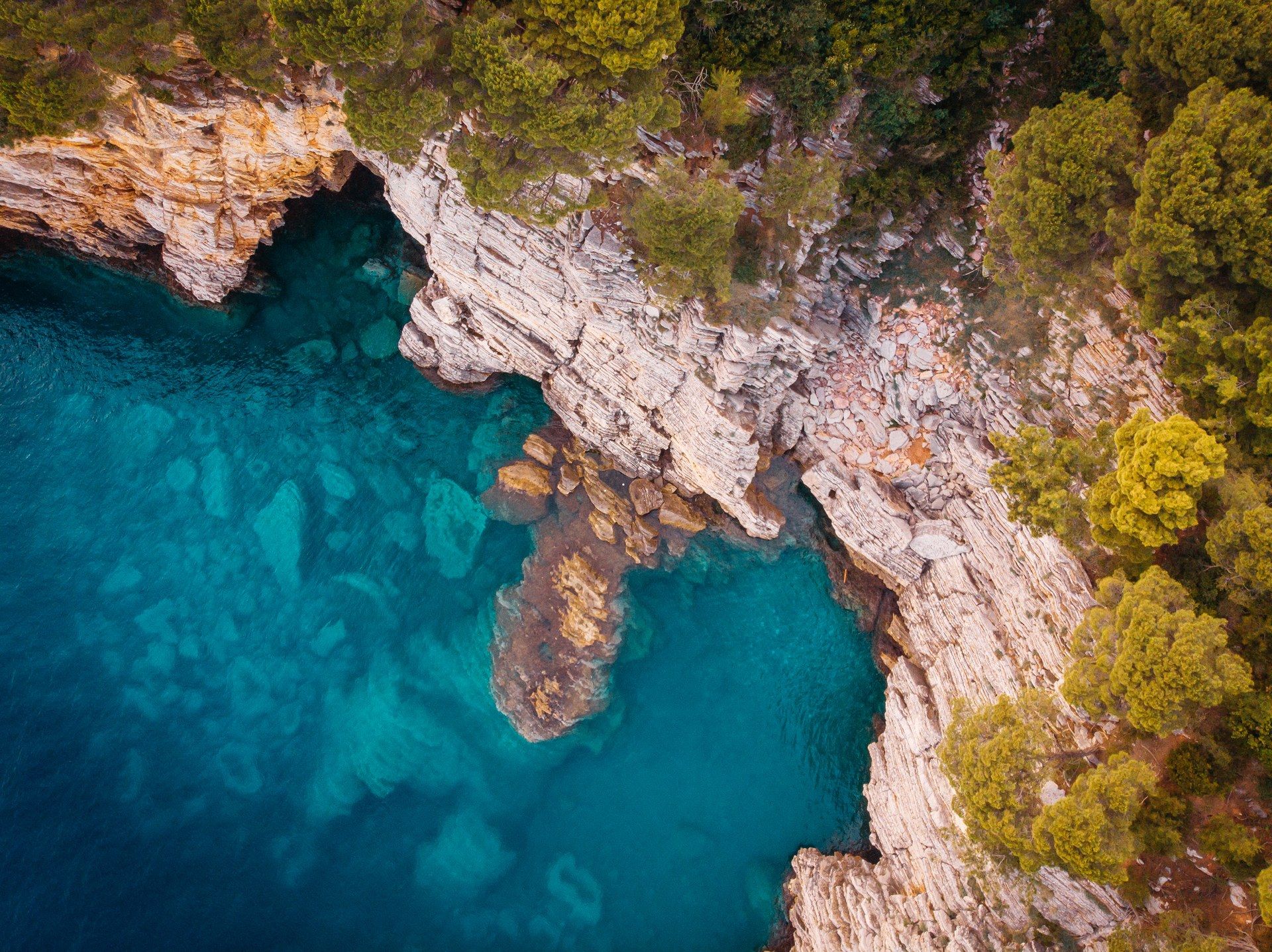
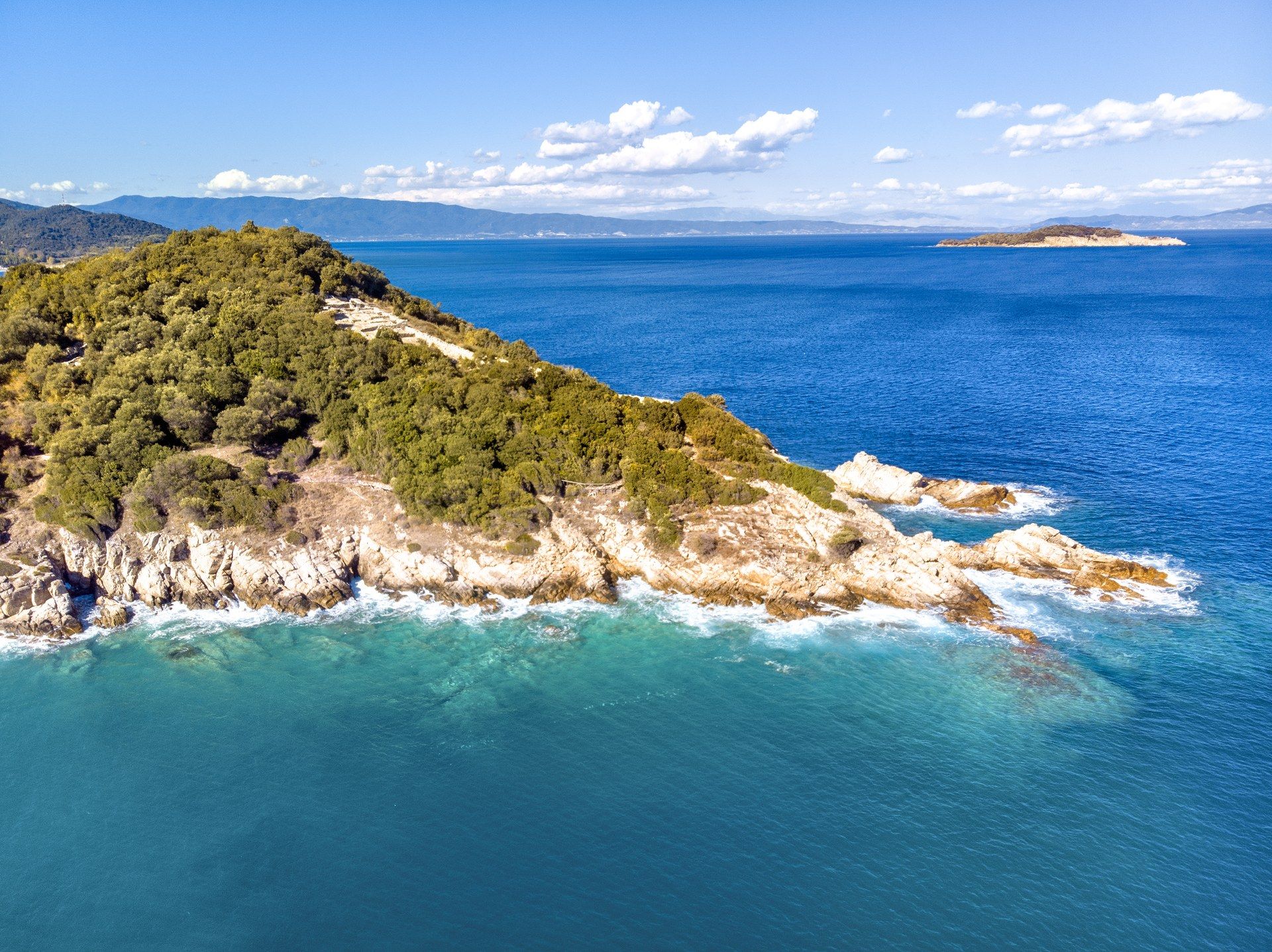
The beaches in Rijeka and the surrounding area are pebble-and-gravel, with crystal-clear water. You'll find swimming spots within the city itself, as well as in nearby Opatija and on the island of Krk. If you think a port city has nothing to offer sea lovers, think again. The local urban beaches are just a few kilometres from the historic centre, and you can easily reach them by city bus in 10–15 minutes.
Here's a list of the best swimming spots in and around Rijeka:
| Beach | Distance from centre | Character |
| Ploče | ~3 km | Urban, pebble, popular. |
| Sablićevo | ~4 km | Intimate, gravel; better for older children — the water gets deep quickly. |
| Kostanj | ~5 km | Quieter, ideal for those looking to relax in peace. |
| Opatija's beaches | ~15 km | Elegant concrete terraces and a historic promenade. |
| Krk Island | ~40 km | Varied, the warmest in the region, with hidden coves. |
Where to go on day trips from Rijeka?
Rijeka is the most convenient base for discovering the Kvarner region. Thanks to its excellent geographic location, you can plan a completely different excursion every day without giving up the city's evening buzz. Exploring the region is made easy by an extensive network of bus and ferry connections. Here's a look at what Rijeka and its surroundings can offer for a day trip:
Opatija
Just 20 minutes by bus from Rijeka and you enter a completely different world. Opatija is a legendary 19th-century seaside resort that once welcomed kings, emperors and artists during the Austro-Hungarian monarchy. You'll feel the breath of the belle époque here — the town enchants with luxurious villas, refined architecture and palm trees lining its streets. At its heart is the famous Lungomare promenade, all 12 kilometres of it, winding right along the sea. Don't miss Villa Angiolina, surrounded by a magnificent park with exotic plants from all over the world.
Krk Island
A bus journey to Krk Island takes around 1h 20min directly from Rijeka's centre. The island is connected to the mainland by a large bridge. Charming stone towns await you, including Krk itself and the cliff-top Vrbnik. This region is famous for its extensive vineyards, which produce the local, refreshing white wine Žlahtina. It's a great place for both lazy relaxation and active exploration.
The islands of Cres and Lošinj
You can reach these islands directly by ferry from Rijeka's harbour — you board at the quay and, after a short crossing, arrive in a land of wild nature. Cres charms visitors with its rugged landscape and a reserve for rare griffon vultures. Lošinj, connected to Cres by a bridge, is known as the "island of health" — famous for its mild microclimate, aromatherapy and beautifully fragrant lavender gardens.
One ticket to Rijeka — and so many possibilities. The whole Kvarner region begins right here.
When is the best time to visit Rijeka?
The right time to travel depends on what you're looking for, but the real magic of the Mediterranean climate here happens in summer. Spring and autumn tempt visitors with fewer crowds and mild temperatures ideal for hiking, but July and August bring what Croatia does best — plenty of sunshine and pleasantly warm sea water. It's also worth remembering the famous Rijeka Carnival — considered one of the largest in Europe, full of colourful masks and joyful parades, it takes place here every February. If you're aiming for a classic summer break, the seasonal Adriatic Express train runs from 26 June to 28 August 2026, timed perfectly for the peak of the best weather.
What to eat in Rijeka? — the cuisine of the Kvarner region
The local Kvarner cuisine is a brilliant crossover of Italian simplicity, respect for ingredients and traditional Croatian sea flavours. Forget heavy, fried dishes — here olive oil, fresh garlic, herbs and whatever the fishermen caught at dawn from the Adriatic rule the table. You don't need to search for meals in luxury restaurants. The best flavours are hidden in small, family-run konobas (traditional taverns) and atmospheric harbour bars right next to the Korzo promenade. Bear in mind that since 1 January 2023 the official currency across Croatia has been the euro.
| Dish | Description |
| Scampi alla buzara | Juicy prawns simmered in a sauce of white wine, garlic, olive oil and tomatoes — bread for mopping up the sauce is essential. |
| Fritto misto | Crispy, lightly battered squid, prawns and small fish — a classic quick lunch. |
| Brodet | A thick, goulash-style fish stew served with creamy polenta. |
| Fuži | Istrian pasta — in Rijeka most often served with a forest truffle sauce or a game stew. |
| Jota | A rustic soup of sauerkraut, beans and smoked meat — perfect after a day of intense sightseeing. |
| Žlahtina | A dry, mineral white wine from Krk Island. |
| Malvazija | A crisp, citrusy Istrian white wine. |
Rijeka with children — what to do?
If you're planning a holiday with little ones, Rijeka will be a great choice for your family. You get clean beaches, safe spaces and good infrastructure.
If you're planning a beach day with children, your main destination is the pebble Igralište beach in the Kantrida district. It has a gentle, safe entry into the water, sanitary facilities and a large water slide (tobogan) that will keep the kids entertained for hours. When hunger strikes, the cult Morski Prasac bar right next door serves a simple menu perfect for a quick lunch. You'll have an equally successful day at Ploče beach, known for its safe, spacious terraces, easy access to the sea and crystal-clear water awarded with the Blue Flag.
Once you're done with the beach, it's time for some green spaces. Rijeka has excellent, shaded playgrounds where children can safely burn off energy. After conquering the castle walls, be sure to stop at the Trsat playground, hidden in a park right next to the medieval fortress. On a hot day, you'll find cool shade in the historic Mlaka park (Giardino Pubblico) — one of the oldest parks in the city, designed in 1874, full of ancient trees and quiet alleys perfect for a stroll with a child.
And what to do when the sun is too intense? Take the kids to Peek & Poke — a brilliant museum of computing and retro games, where you can legally touch old equipment and play cult classics on consoles from your own childhood. For young space explorers, a great spot is the Rijeka Astronomical Centre on Sv. Križ hill, home to a modern digital planetarium — the only one in Croatia.
Practical information — accommodation, transport, currency
Before you pack your suitcase, it's worth taking a quick look at the most important information that will make your stay easier:
| Topic | Practical details |
| Currency | Euro (EUR) — Croatia has been fully integrated into the eurozone since 1 January 2023. |
| Documents | An ID card is enough; Croatia has been part of the Schengen area since early 2023. |
| Accommodation | A wide range of hotels, private apartments and hostels; if you're travelling during peak summer season, book well in advance. |
| City transport | An efficient KD Rijeka bus network, local taxis and ride-hailing apps. |
| Train station | Perfectly located in the very centre of the city, just a 5-minute walk from the Korzo promenade, right by the harbour quay. |
| Language | Croatian is the official language; in the centre, shops and restaurants you'll easily get by in English. |
| Time zone | UTC+2 (CEST) — exactly the same as in Poland, no need to reset your watch. |
| Tipping | Around 10% of the bill in cafés or restaurants is customary, though not obligatory. |
Rijeka's accommodation options are growing rapidly, offering places to stay for every budget — from modern apartments in historic townhouses to hostels near the beach. Given the huge interest in the summer season of 2026, it's worth starting your search well in advance.
How to get to Rijeka from Poland?
Traditional thinking about a holiday in southern Europe usually comes down to two options: hours behind the wheel or the stress of an airport. It's time to update the map of possibilities for 2026.
The direct overnight train from Poland to Rijeka
The direct overnight Adriatic Express (listed in the timetable as EN 1277, operated by PKP Intercity — Poland's main railway operator) completely changes the game. You board in the afternoon in Poland and wake up on the Adriatic. The arrival station is right in the centre of Rijeka. On the Warsaw–Vienna section (until around 22:30) you'll find the WARS restaurant carriage — order a hot meal, coffee or a drink as the countryside rolls by.
| Departure station | Departure | Journey time | From |
| Warszawa Wschodnia | 13:41 | ~20h 23min | €44.90 |
| Warszawa Centralna | 14:04 | ~20h 00min | €44.90 |
| Warszawa Zachodnia | 14:10 | ~19h 54min | €44.90 |
| Opoczno Południe | 15:04 | ~19h 00min | €44.90 |
| Włoszczowa Północ | 15:31 | ~18h 33min | €39.90 |
| Zawiercie | 16:04 | ~18h 00min | €39.90 |
| Dąbrowa Górnicza | 16:20 | ~17h 44min | €39.90 |
| Sosnowiec Główny | 16:31 | ~17h 33min | €39.90 |
| Katowice | 16:47 | ~17h 17min | €39.90 |
| Tychy | 17:14 | ~16h 50min | €39.90 |
| Rybnik | 17:44 | ~16h 20min | €39.90 |
| Wodzisław Śląski | 17:58 | ~16h 06min | €39.90 |
| Chałupki | 18:15 | ~15h 49min | €39.90 |
The train runs 6 days a week (26 June – 28 August 2026). All departures arrive in Rijeka the next day at 10:04. Prices shown are for the cheapest non-refundable fare (Level I Super Promo International) — book early, as the lowest fares sell out first. For the full price list across all fare types — including couchettes and flexible tickets — see our guide to the Adriatic Express 2026.
If you're interested in a couchette, call our customer support — we'll help you with the booking.
Travel by train with PolishTrains
Once you experience how comfortable it is to reach the Adriatic on an overnight train, it's hard to go back to old habits. On PolishTrains you'll find rail connections to many cities across Europe. See where else you can travel to from Poland: By train across Europe? Why not!.
If anything unexpected happens along the way — a delay, a question about a transfer, or a sudden change of plans — reach out to our customer support. The team is available daily from 07:00 to 23:00 and speaks English.