

Best time to visit Poland - weather, seasons and travel tips
Published
Choosing the best time to visit Poland depends entirely on the kind of trip you’re planning. The country has four distinct seasons. Each of them is offering something different: snowy winters, mild springs, warm summers and colourful autumns. Travelling between cities is simple thanks to frequent rail connections linking Kraków, Warsaw, Gdańsk, Wrocław and other major cities. Below is a clear look at what each season offers so you can pick the best time of year to visit Poland based on weather, crowds and activities. PolishTrains helps travellers compare rail journeys between Poland’s major cities when planning seasonal itineraries around weather, crowds and activities.
When is the best time to visit Poland? Overview by season
Spring (April-June)
Spring is a very comfortable period for visitors. Temperatures are mild, parks and old towns are in bloom, and cities feel lively without the high-season crowds. You can walk for miles without the risk of getting a heatstroke. It’s an ideal moment for walking tours, sightseeing and museum visits. Accommodation prices are generally lower than in summer, making spring a strong contender for the best time to visit Poland if you want good weather and manageable crowds. Using PolishTrains, travellers can book train tickets between historic centres and cultural districts while keeping late-spring or early-autumn sightseeing plans flexible.
Summer (July-August)
Summer brings the warmest weather and the longest days. It’s the peak tourist season across the country, especially along the Baltic Sea coast and in popular mountain resorts. However, especially August, can be very hot, so always try to plan around the weather. Outdoor festivals, riverside cafés and beach towns are at their busiest. This is probably the best time to visit Poland weather and look-wise, provided you don’t mind more visitors and higher prices. Mountains and national parks are fully accessible, making it the top hiking season. For calmer visits to Kraków, Gdańsk or Zakopane, PolishTrains lets you arrange rail travel in advance around quieter weekdays and seasonal weather.
Autumn (September-October)
Autumn is** stable, moderately dry and often pleasantly warm at the start of the season**. Forests and parks turn into golden-red landscapes, which is why many photographers and hikers choose this period. Polish people are particularly proud of the “Golden Polish Autumn”. Cultural calendars are full, cities feel active, and prices drop compared with summer. Many visitors choose early autumn as the best time of year to visit Poland for sightseeing.
Winter (December-March)
Winters are cold and rainy, especially in the mountains, but the atmosphere is unique. Christmas markets light up cities in December, ski resorts reach full operation from January, and thermal baths become a popular activity. Snow is most reliable in southern Poland, especially around Zakopane. If you’re looking for skiing, winter sports or festive events, then winter may be the best time to visit Poland for you.
Best time of year to visit Poland for sightseeing and festivals
If your main goal is sightseeing in Poland, the ideal periods are late spring (May-June) and early autumn (September-October). These “shoulder months” offer the most comfortable temperatures for exploring historic centres, walking routes and cultural districts without the high-season crowds that fill cities in July and August.
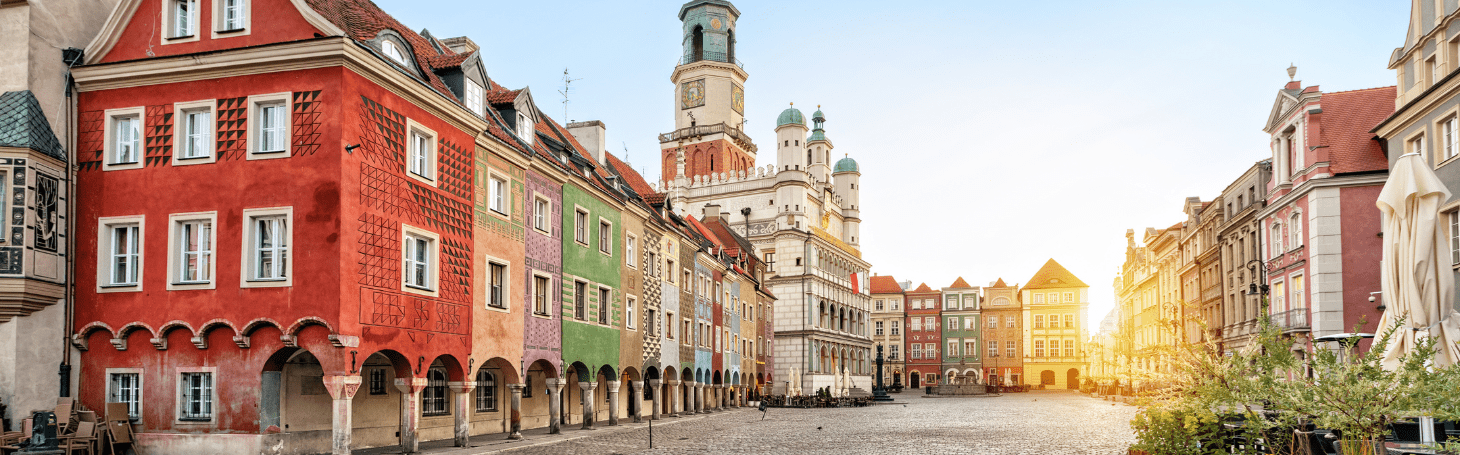
Kraków’s Old Town, with landmarks such as Wawel Castle and the Cloth Hall, is far more enjoyable when streets are not packed with summer visitors. The same applies to Warsaw’s Old Town and Royal Route, where spring and autumn allow for relaxed strolls and outdoor cafés. In Gdańsk, the waterfront and the streets around Długi Targ feel calmer and the weather is still pleasant enough for long walks along the Motława River. Nevertheless, it may be cold, especially next to the coast, so remember to bring layered clothing.
For those interested in festivals in Poland, the event calendar peaks between June and early September. Major highlights include:
-
Wianki Kraków (June): one of Poland’s oldest cultural events, combining concerts, fireworks and traditions linked to the summer solstice
-
St. Dominic’s Fair in Gdańsk (late July-August): one of the largest outdoor fairs in Europe, bringing crafts, food and performances to the heart of the city.
-
Pol’and’Rock Festival (August): Europe’s biggest free music festival (rock&metal), attracting international artists and huge crowds
-
Open’er Festival (Gdynia, early July): a major European music event featuring global headliners
-
Warsaw cultural season (September-October): theatres, philharmonic halls and museums launch new programmes
Best time to visit Poland for good weather and fewer crowds
As written before, for visitors who want warm weather and manageable crowds, the most favourable travel window is late spring (May-June) or early autumn (September-October).
Understanding basic weather patterns helps with planning:
-
Hottest months: July and August. Great for beaches, but also the most crowded and expensive period
-
Coldest months: January and February are the prime time for skiing, but not ideal for general sightseeing
-
Driest periods: April and September often see the lowest rainfall, making them excellent for outdoor activities, however the weather may be a bit colder.
-
Snow reliability: December-March in southern regions, especially Zakopane.
If you want to avoid crowds in popular cities like Kraków, visit outside the summer and avoid long weekends. In Gdańsk, early June and mid-September provide pleasant beach weather for those of you who don’t mind cold water, without peak-season congestion. For Zakopane, weekdays in January or March are quieter than the February winter break.
Off-season travel has clear advantages: lower hotel rates, shorter queues at museums, quieter restaurants and easier access to heritage sites. Autumn in Warsaw or spring in Wrocław can feel like a completely different experience compared to peak summer, offering travellers more space and a calmer pace.
Best time to visit Kraków, Gdańsk, Warsaw and Zakopane
Kraków: May-June & September-October
Kraków is at its most enjoyable outside the peak summer months. It’s a city made of stone with little green, so summer can be unbearably hot there. On the other hand, spring and early autumn offer mild temperatures, comfortable sightseeing conditions and fewer groups around Wawel Castle, the Main Square and Kazimierz. December is also popular thanks to the Christmas market, though colder and busier.
Gdańsk: June & September
Gdańsk’s coastal location makes it ideal for late spring or early autumn. June brings pleasant seaside weather without the summer rush. September remains warm and calm, perfect for walking along the waterfront or visiting the European Solidarity Centre. July-August are peak times due to beach traffic and the St. Dominic’s Fair. The only downside - the Baltic sea is almost always very cold. Unless you are a fan of “morsowanie” (jumping into a very cold water), an activity popular among many Polish people.
Warsaw: May-June & September
The capital is a year-round destination, but late spring and early autumn provide the most comfortable city experience. Parks and boulevards are at their best in May and June, while September offers stable weather and the start of the cultural season.
Zakopane: December-March
Zakopane’s peak season is winter, when ski resorts around the Tatra Mountains are fully operational. January and February offer the best snow, though they are also the busiest. September can also be excellent for hiking with stable weather and fewer tourists. Summer brings crowds and limited mountain parking.
Visiting Poland in summer vs winter - what to expect?
Summer
-
Weather: Warmest period, average 23-31°C (higher during heatwaves)
-
Best for: Baltic Sea coast, outdoor events, long sightseeing days, festivals
-
Pros: Lively cities, maximum daylight, open mountain trails, many cultural events
-
Cons: Higher prices, crowded towns (especially Kraków, Zakopane and Gdańsk), limited accommodation availability in peak weeks
Winter
-
Weather: Cold, often below 0°C, with snow in southern regions
-
Best for: Skiing in Zakopane, Christmas markets, thermal baths, winter scenery
-
Pros: Atmospheric holidays, fewer crowds outside Christmas weeks
-
Cons: Short days, icy conditions, can be very rainy, occasional travel delays, closed mountain trails above certain altitudes
Conclusion
The best time to visit Poland depends on the kind of trip you want. Spring and autumn provide ideal sightseeing conditions, comfortable temperatures and fewer crowds, especially in major cities. Summer is vibrant and event-packed, perfect for festivals and seaside travel. It can be the best time for young people wanting to party. Winter however brings a completely different charm with Christmas markets, snowy mountains and cosy traditions.